Email Segmentation Strategies That Actually Work
Most ecommerce brands blast the same email to thousands of subscribers. They wonder why open rates stagnate at 18% and revenue disappoints.
Email segmentation fixes this. When you divide your email list into targeted groups based on specific criteria, you send relevant content to the right subscribers at the right time.
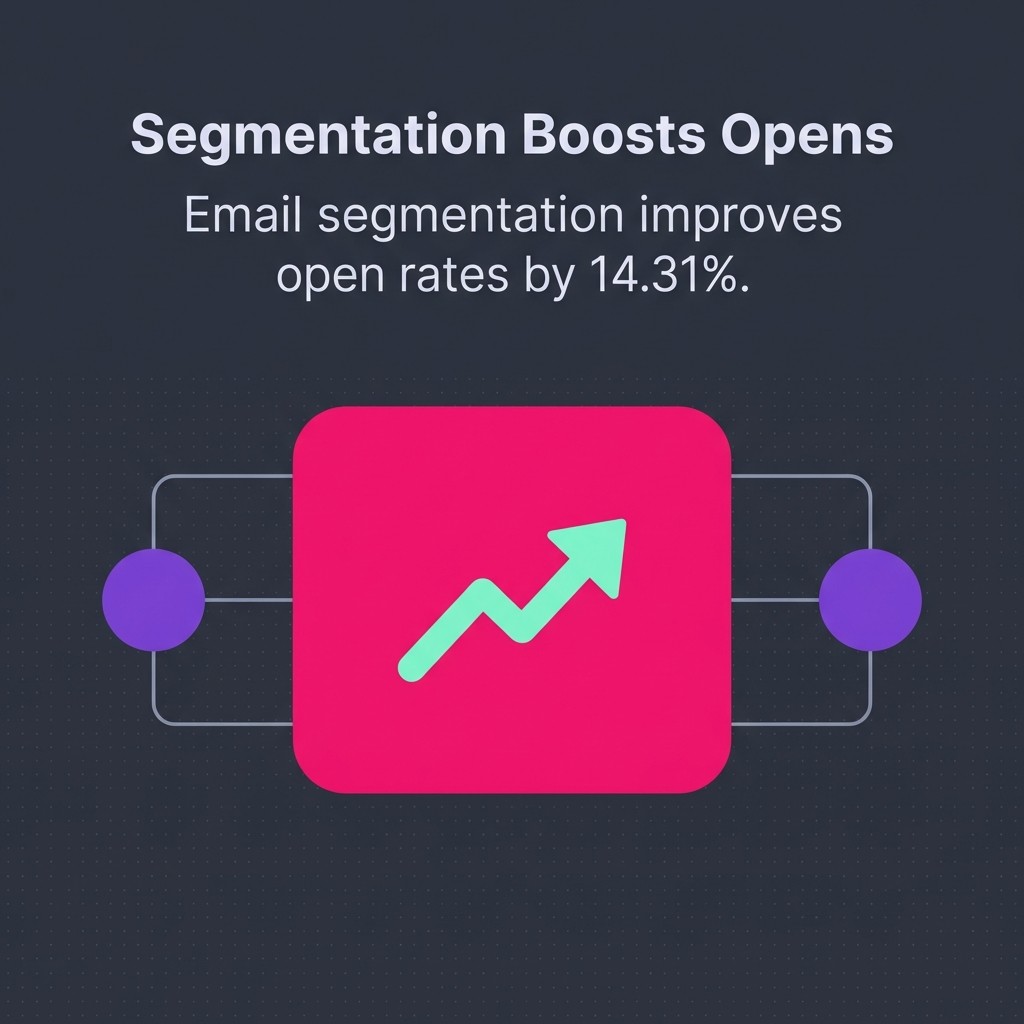
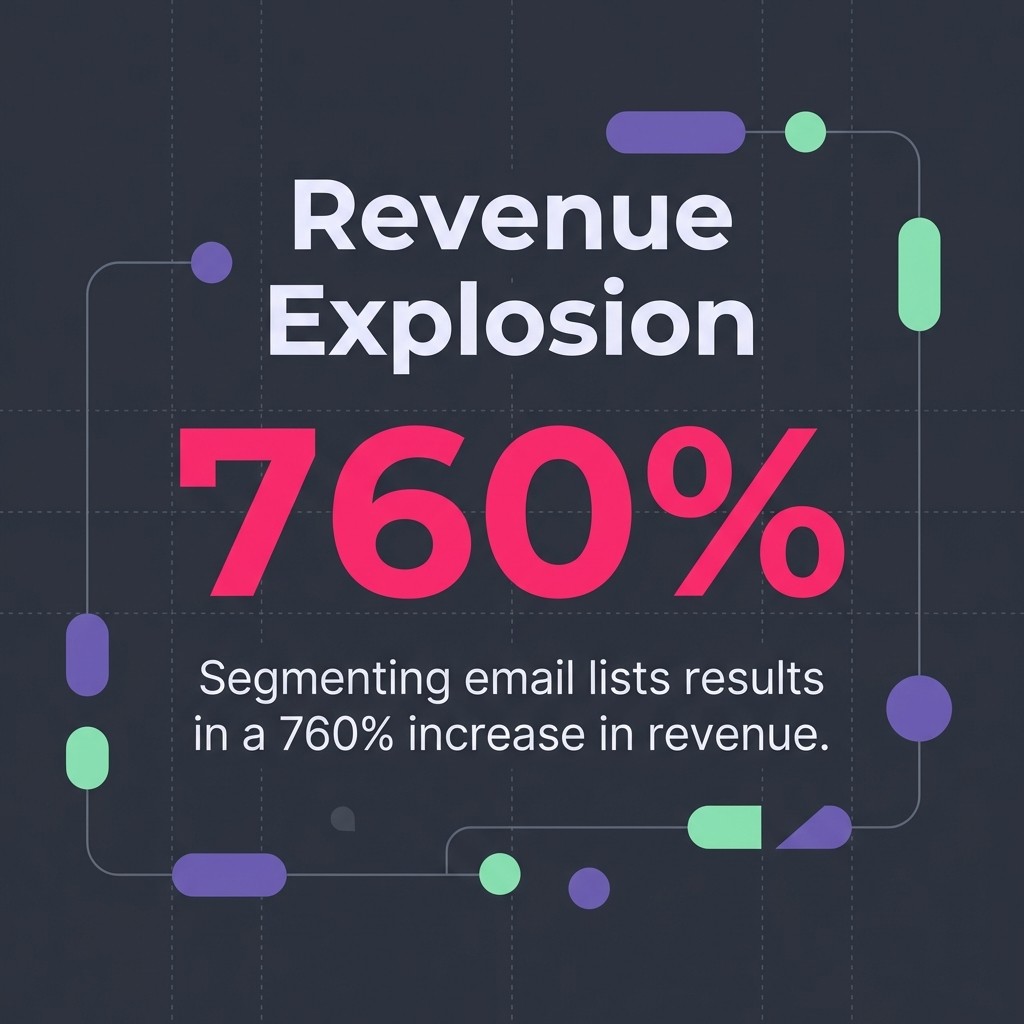
The results speak clearly: email segmentation improves open rates by 14.31%. More importantly, segmenting email lists results in a 760% increase in revenue.
Yet 74% of customers express frustration when email content does not correspond with their personal interests. You're not just missing revenue opportunities. You're actively annoying subscribers who might otherwise buy.
This guide walks you through the segmentation strategies that deliver measurable results. You'll learn which criteria matter most, how to collect the right data, and exactly how to implement segments that drive conversions across the entire customer lifecycle.
What Email Segmentation Actually Means
Email segmentation is the practice of dividing your email list into smaller, targeted groups based on shared characteristics. Each segment receives tailored messages that match their specific needs, behaviours, or preferences.
Think of your email list as a crowd at a concert. Some people came for the opening act. Others want the headline performer. A few are there for the atmosphere.
Sending everyone the same message assumes they all want the same thing. Email segmentation acknowledges these differences and speaks to each group accordingly.
The Core Components of List Segmentation
Effective email segmentation relies on three foundational elements: data collection, segmentation criteria, and targeted messaging.
First, you need reliable customer data. This includes information subscribers provide directly (name, location, preferences) and behavioural data you track (purchase history, email engagement, website activity).
Second, you define your segmentation criteria. These are the specific attributes that determine which subscribers belong in each segment.
Third, you create targeted email campaigns for each segment. The content, offers, and timing should reflect what matters most to that particular group.
How Email Segmentation Differs from Personalisation
Email segmentation and personalisation work together but serve different purposes.
Segmentation divides your email list into groups. Personalisation customises individual messages within those groups.
You might segment your list by purchase history, creating separate groups for first-time buyers and repeat customers. Then you personalise each email by including the subscriber's name and product recommendations based on their browsing behaviour.
Segmentation determines who receives which email campaigns. Personalisation determines what each subscriber sees within those campaigns.
Both matter. But segmentation comes first because you can't effectively personalise messages if you're sending the wrong campaign to the wrong audience.
Why Email Segmentation Drives Results
Now that you know what email segmentation is, you need to grasp why it matters for your bottom line.
Segmented emails deliver measurable performance improvements across every metric that matters. Segmented campaigns achieve a click rate of 100.95% compared to non-segmented campaigns.

Higher Engagement Across All Metrics
Relevant content captures attention. When subscribers receive emails that match their interests and needs, they open them more often.
They also click through more frequently because the content, offers, and calls-to-action align with what they actually want.
Subject line personalisation alone makes a difference. Personalised subject lines are 26% more likely to result in opens.

When you combine segmentation with personalisation, the effect compounds. You're sending the right message to the right person at the right stage of their customer lifecycle.
Stronger Customer Relationships Through Relevance
Every irrelevant email erodes trust. Subscribers notice when you don't understand them.
Segmentation shows you're paying attention. When a customer buys a winter coat and you send them recommendations for scarves and gloves rather than swimwear, they recognise you understand their needs.
This builds loyalty. Customers who feel understood stay longer, buy more often, and recommend you to others.
Revenue Growth from Targeted Campaigns
Better engagement translates directly to revenue. When more subscribers open your emails, click your links, and visit your site, more purchases follow.
But segmentation does more than increase traffic. It ensures that traffic consists of people who are ready to buy what you're offering.
A segmented email campaign targeting customers who abandoned their carts will outperform a generic promotional blast because the message addresses a specific moment in the buying process.
Improved Email Deliverability
Email service providers watch how subscribers interact with your emails. High engagement signals that your emails are wanted. Low engagement suggests spam.
When you send relevant, segmented emails, engagement rates improve. This positive engagement history helps your future emails land in the inbox rather than the spam folder.
Segmentation also lets you remove inactive subscribers from high-frequency campaigns, preserving your sender reputation whilst still reaching them through less frequent touchpoints.
MetricImpact of SegmentationBusiness OutcomeOpen Rates14.31% improvementMore subscribers see your messageClick Rates100.95% higherMore traffic to your siteRevenue760% increaseSignificantly more salesCustomer Satisfaction26% fewer frustrated customersBetter retention and loyalty
Demographic Segmentation: Using Customer Characteristics
With the benefits clear, you can now explore the first major segmentation approach.
Demographic segmentation divides your email list based on personal characteristics like age, gender, location, income, occupation, or education level.
These attributes shape how subscribers respond to your messaging, what products interest them, and when they're most likely to buy.
Age and Generation Segments
Different age groups have distinct preferences, communication styles, and buying behaviours.
Younger subscribers might respond better to mobile-optimised emails with visual content and social proof. Older subscribers might prefer detailed product information and traditional purchase incentives.
The messaging tone also varies. What resonates with a 25-year-old often differs from what appeals to a 55-year-old.
For ecommerce brands, age segmentation helps you promote age-appropriate products. A fashion retailer wouldn't send the same styles to all subscribers.
Gender-Based Messaging
When your products vary by gender, segmentation becomes essential.
A beauty brand might segment by gender to send skincare products marketed to men versus products marketed to women. A clothing retailer segments to show menswear versus womenswear.
This seems obvious, but many brands still send mixed-gender product recommendations that confuse rather than convert.
Geographic Segmentation
Location influences buying behaviour in multiple ways.
Weather affects product relevance. You don't promote winter coats to subscribers in warm climates during their summer months.
Time zones matter for send times. An email sent at 10am should arrive at 10am in the subscriber's local time, not yours.
Local events, holidays, and cultural preferences all vary by region. Geographic segmentation lets you acknowledge these differences.
For ecommerce brands with physical locations, geographic segmentation enables store-specific promotions and local event invitations.
Income and Occupation Targeting
Price sensitivity varies significantly across income levels and professional roles.
Higher-income subscribers might respond better to premium product lines and luxury positioning. Budget-conscious subscribers need value propositions and discount offers.
Occupation also matters for B2B brands or companies selling professional products. The messaging you send to CEOs differs from what you send to individual contributors.
How to Collect Demographic Data
You can gather demographic information through several channels.
Signup forms are the most direct source. Ask for relevant information when subscribers join your email list.
Progressive profiling adds fields gradually. Instead of a long initial form, you request additional details through subsequent interactions.
Purchase data reveals information implicitly. When someone buys products marketed to a specific demographic, you can infer their characteristics.
Preference centres let subscribers update their information and communication preferences themselves.
Behavioural Segmentation: Actions Speak Louder
Whilst demographics tell you who subscribers are, behavioural data shows you what they do. This makes behavioural segmentation particularly powerful.
Behavioural segmentation groups subscribers based on their actions: what they browse, what they buy, how they engage with emails, and how they interact with your brand across all touchpoints.
Purchase History Segmentation
Past purchases predict future behaviour more accurately than almost any other data point.
Segment by product category to send relevant cross-sell and upsell recommendations. Someone who bought running shoes might want running apparel or fitness accessories.
Segment by purchase frequency to identify your most valuable customers. Regular buyers deserve different treatment than one-time purchasers.
Segment by purchase recency to catch customers whose buying patterns have changed. A previously active customer who hasn't purchased in six months needs a different message than someone who bought last week.
Average order value creates another useful segment. High-value customers appreciate exclusive offers and early access to new products.
Website Behaviour and Browsing Activity
Your website tracking reveals what interests subscribers even when they don't buy.
Browse abandonment segments target subscribers who viewed products without purchasing. These people showed interest but needed an extra nudge.
Category browsing indicates interests. Someone who frequently visits your electronics section but never your home goods section has clear preferences.
Time on site and pages viewed show engagement depth. Highly engaged browsers are warmer prospects than quick visitors.
Email Engagement Patterns
How subscribers interact with your emails tells you what works and what doesn't.
Segment by open rates to identify your most engaged subscribers. These people should receive your best offers and most important announcements first.
Click behaviour reveals specific interests. Someone who consistently clicks links about a particular product category wants more of that content.
Inactive subscribers need re-engagement campaigns. Before you remove them from your email list, try targeted win-back sequences.
Engagement frequency matters too. Some subscribers prefer daily emails. Others want weekly digests.
Cart Abandonment Sequences
Cart abandonment deserves special attention because it represents high purchase intent.
These subscribers added products to their cart, started checkout, then left. They were moments away from buying.
Create dedicated segments for cart abandoners and trigger automated flows immediately. The first email should send within an hour of abandonment.
Follow up with reminder emails that address common objections: shipping costs, return policies, product questions, or trust concerns.
Include the abandoned products in every email so subscribers can complete their purchase in one click.
Customer Lifecycle Stage
Where subscribers sit in their customer journey determines what they need from you.
New subscribers need welcome sequences that introduce your brand, set expectations, and offer first-purchase incentives.
First-time buyers become customers but not yet loyal ones. Post-purchase emails should request reviews, provide usage tips, and suggest complementary products.
Repeat customers are your most valuable segment. They deserve VIP treatment, exclusive offers, and early access to new products.
Lapsed customers stopped buying but haven't unsubscribed. Win-back campaigns can revive these relationships with compelling offers and fresh messaging.
Psychographic Segmentation: Understanding Motivations
Moving beyond actions, psychographic segmentation explores why customers behave as they do.
This approach divides your email list based on attitudes, values, interests, lifestyle choices, and personality traits.
Psychographic data is harder to collect than demographic or behavioural data, but it creates deeper connections with subscribers.
Interest-Based Segments
What your subscribers care about shapes which messages resonate.
A sporting goods retailer might segment by sport: runners, cyclists, swimmers, hikers. Each group wants content and products relevant to their specific interest.
A media company segments by content topics: technology, business, lifestyle, entertainment. Subscribers self-select into these categories through their reading behaviour.
Ask subscribers directly about their interests through preference centres or surveys. Many will tell you exactly what they want if you ask.
Values and Lifestyle Segmentation
Some customers prioritise sustainability. Others want luxury. Still others focus purely on value.
These value systems influence buying decisions fundamentally. A sustainability-focused customer wants to know about your environmental practices, ethical sourcing, and recycling programmes.
A luxury-seeking customer cares about exclusivity, premium materials, and status signalling.
A value-conscious customer needs price comparisons, bulk discounts, and loyalty rewards.
The same product can be marketed differently to each segment by emphasising the attributes that matter most to them.
Brand Affinity and Loyalty Level
How subscribers feel about your brand determines their responsiveness to different messages.
Brand advocates love everything you do. They open every email, follow your social channels, and recommend you to friends.
These subscribers want insider content, behind-the-scenes access, and opportunities to deepen their connection with your brand.
Neutral customers buy from you but don't feel particularly loyal. They need consistent value demonstrations and reasons to choose you over competitors.
Sceptical subscribers haven't fully committed. Social proof, guarantees, and educational content help build trust.
Purchase Motivation Segments
Different customers buy for different reasons.
Some are problem solvers looking for solutions to specific challenges. They respond to functional benefits and clear problem-solution messaging.
Others are aspirational buyers seeking self-improvement or status. They want transformation stories and lifestyle imagery.
Impulse buyers respond to urgency, scarcity, and emotional triggers. Flash sales and limited-time offers work well.
Methodical researchers need detailed information, comparisons, and rational justifications. Long-form content and comprehensive guides appeal to this segment.
Customer Value Segmentation
After understanding who customers are and why they buy, you need to acknowledge that not all customers contribute equally to your business.
Customer value segmentation divides your email list based on the economic value each subscriber brings to your brand.
Customer Lifetime Value Tiers
Customer lifetime value (CLV) predicts the total revenue a customer will generate throughout their relationship with your brand.
High-CLV customers deserve premium treatment. They generate disproportionate revenue and are worth the extra effort to retain.
Create VIP segments for your top 10-20% of customers by CLV. Send them exclusive offers, early product access, and personalised service.
Medium-CLV customers are solid contributors. Focus on increasing their purchase frequency and average order value through targeted cross-sells and upsells.
Low-CLV customers might become valuable or might never graduate to higher tiers. Test which ones respond to engagement efforts.
For a detailed guide on calculating and improving CLV, see our article on customer lifetime value strategies.
RFM Segmentation
RFM stands for Recency, Frequency, Monetary value. This segmentation model combines three powerful behavioural indicators.
Recency measures when the customer last purchased. Recent buyers are warmer prospects than those who haven't bought in months.
Frequency tracks how often they buy. Regular customers have established buying patterns.
Monetary value captures how much they spend. High spenders contribute more revenue.
Score customers on each dimension, then create segments based on combined scores. Your best customers score high on all three: recent, frequent, high-value purchases.
Your at-risk customers might have high historical frequency and value but declining recency. They need win-back campaigns before they churn completely.
Product Affinity Scoring
Some customers love specific product categories whilst ignoring others.
Track which products and categories each customer purchases most frequently. This reveals their product preferences.
Use these affinity scores to prioritise recommendations. Show subscribers more of what they already love.
You can also use product affinity to identify cross-sell opportunities. Customers who buy products that commonly pair together might want the complementary items they haven't purchased yet.
Engagement Quality Scoring
Not all engaged subscribers are equally valuable. Some open every email but never buy. Others open rarely but convert when they do.
Create composite engagement scores that weight actions by their business value. An email click might score 1 point. A website visit scores 3. A purchase scores 10.
This identifies subscribers whose engagement patterns predict revenue rather than just measuring activity volume.
Advanced Segmentation Strategies
Once you've mastered basic segmentation approaches, these advanced strategies compound your results.
Multi-Criteria Segmentation
The most powerful segments combine multiple criteria simultaneously.
Instead of segmenting by purchase history OR email engagement, create segments based on purchase history AND email engagement AND lifecycle stage.
Example: "High-value customers who haven't purchased in 60 days and have stopped opening emails." This ultra-specific segment needs an immediate, aggressive win-back campaign.
Another example: "New subscribers who opened three emails in their first week and clicked product links but haven't purchased yet." These warm prospects need a first-purchase incentive.
Your email service provider should support these multi-criteria segments. Klaviyo excels at this type of sophisticated segmentation.
Predictive Segmentation
Predictive models use historical data to forecast future behaviour.
Churn prediction identifies customers likely to stop buying based on patterns in their engagement and purchase history. Reach them with retention campaigns before they leave.
Next purchase date prediction estimates when customers will buy again. Time your promotional emails to arrive just before their predicted purchase window.
Product preference prediction suggests which products each customer is most likely to buy next based on similarities to other customers with comparable purchase histories.
Dynamic Segmentation
Static segments never change once created. Dynamic segments update automatically as subscriber behaviour changes.
A dynamic "recent purchasers" segment automatically adds customers when they buy and removes them 30 days later.
A dynamic "highly engaged subscribers" segment adds people when their engagement scores cross a threshold and removes them if engagement drops.
Dynamic segments ensure your targeting stays current without manual updates. Set them up once and they maintain themselves.
Negative Segmentation
Sometimes the most valuable segments are defined by what they haven't done.
Create segments of subscribers who haven't purchased despite multiple email campaigns. These people might need different messaging or different offers.
Identify subscribers who opened your promotional emails but never your educational content, or vice versa. This reveals content preferences.
Find customers who bought from specific categories but never from others. Perhaps they don't know you sell those products.
Implementing Email Segmentation in Your Strategy
Understanding segmentation theory means nothing without practical implementation. Here's how to build segments that work.
Data Collection Framework
Segmentation quality depends on data quality. You need reliable information about your subscribers.
Start with your signup forms. Collect essential demographic data upfront, but don't make forms so long that they reduce conversion rates.
Implement proper email tracking. Monitor opens, clicks, and conversions for every campaign you send.
Connect your email platform to your ecommerce system. Purchase data is the most valuable segmentation criterion for retail brands.
Add website tracking to capture browsing behaviour. Know which products subscribers view even when they don't buy.
Create preference centres where subscribers can update their information and communication preferences. Many will provide additional data if you ask.
Start with High-Impact Segments
Don't try to implement every segmentation strategy simultaneously. Start with the segments that will drive the most revenue.
For most ecommerce brands, these are:
- Cart abandoners – highest immediate conversion potential
- Recent purchasers – ready for cross-sells and reviews
- VIP customers by CLV – your most valuable relationships
- Inactive subscribers – prevent list decay and improve deliverability
- New subscribers – set the right expectations early
Build these five segments first. They'll deliver quick wins whilst you develop more sophisticated segments.
Create Segment-Specific Content
Segments only work if you send different content to each one.
Map out what each segment needs. Cart abandoners need product reminders and objection handling. VIP customers need exclusive offers. New subscribers need brand education.
Develop content templates for each major segment. This makes execution faster and ensures consistency.
Test different approaches within segments. Not every message will work for every subscriber, even within targeted groups.
Automation and Flow Setup
Manual segmentation doesn't scale. Automated flows triggered by specific behaviours make segmentation practical.
Set up welcome flows that automatically send when someone joins your email list. Segment based on how they subscribed or which lead magnet they downloaded.
Create post-purchase flows that automatically trigger after each order. Segment by product purchased to customise the content.
Build browse abandonment flows for subscribers who view products without buying. Segment by product category for relevant messaging.
Our guide to optimising results in Klaviyo explains how to structure flows for maximum impact.
Testing and Optimisation Process
Initial segments won't be perfect. Systematic testing improves performance over time.
Test segment definitions. If you define "high-value customers" as those spending over £500, test whether £400 or £600 thresholds perform better.
Test messaging variations within segments. Subject lines, content approaches, and offers should all be tested.
Measure segment performance continuously. Track open rates, click-through rates, conversion rates, and revenue per email for each segment.
Refine segments based on results. If a segment underperforms, either adjust the criteria or change the messaging.
Common Email Segmentation Mistakes
Even experienced marketers make these segmentation errors. Avoid them.
Over-Segmentation
Creating too many segments makes management impossible. You can't create unique content for 50 different segments.
Start with fewer, broader segments. Add new segments only when you can create genuinely different content for them.
Some segments won't be large enough to matter. If a segment contains only 20 subscribers, the effort to create custom content rarely justifies the potential return.
Under-Segmentation
The opposite problem is almost as common. Brands create one or two basic segments and call it done.
Basic segmentation beats no segmentation. But it leaves significant revenue on the table.
If you're only segmenting by "customers vs non-customers," you're missing opportunities for lifecycle targeting, product affinity, engagement level, and value tier segments.
Ignoring Data Quality
Segments based on incorrect data produce poor results.
If your ecommerce integration drops purchase records intermittently, your "recent purchaser" segment will miss people.
If subscribers can't update their preferences, your demographic segments will grow stale.
Audit your data sources regularly. Ensure tracking works correctly and data flows reliably between systems.
Static Segments That Never Update
Subscriber behaviour changes constantly. Segments should reflect current behaviour, not historical snapshots.
Someone who was a VIP customer six months ago might have churned. They shouldn't still receive VIP messaging.
A previously inactive subscriber who suddenly engaged with three emails should move into an active segment.
Use dynamic segments that update automatically based on current behaviour rather than static segments frozen at creation.
Forgetting to Exclude Segments
Sometimes who you don't send to matters as much as who you do send to.
Don't send cart abandonment emails to people who already completed their purchase.
Don't send win-back campaigns to active customers.
Don't send first-purchase incentives to existing customers.
Build exclusion logic into your segments and flows to prevent message mismatches.
Measuring Email Segmentation Success
You can't improve what you don't measure. Track these metrics to quantify segmentation performance.
Engagement Metrics by Segment
Compare open rates, click-through rates, and click-to-open rates across segments.
Your most engaged segments should show significantly higher metrics than your least engaged segments. If they don't, your segmentation criteria might not be effective.
Track engagement trends over time. Are your segments becoming more engaged as you refine your messaging, or is engagement declining despite segmentation?
Conversion and Revenue Metrics
Engagement means nothing if it doesn't drive business results.
Measure conversion rates for each segment. Which segments turn email recipients into buyers most effectively?
Calculate revenue per email for each segment. This shows which segments generate the most value per message sent.
Track average order value by segment. Some segments might convert at similar rates but spend significantly different amounts.
List Health Indicators
Segmentation should improve your overall list health.
Monitor unsubscribe rates by segment. If a particular segment unsubscribes at elevated rates, your messaging isn't resonating.
Track spam complaint rates. These should be very low for properly segmented campaigns.
Watch your sender reputation scores. Better engagement from segmentation should improve deliverability.
Comparative Testing
The best way to prove segmentation works is direct comparison.
Run occasional tests where you send the same message to both a segmented group and a random sample of your full list.
Measure performance differences. The segmented group should substantially outperform the random sample.
This validates that your segmentation strategy delivers real business value rather than just theoretical improvements.
Metric CategoryKey IndicatorsSuccess ThresholdEngagementOpen rate, click rate, CTOR20%+ improvement vs non-segmentedRevenueConversion rate, revenue per email, AOVRevenue per email 2x+ higherList HealthUnsubscribe rate, spam complaintsBelow 0.1% for both metrics
Email Segmentation and Deliverability
Segmentation doesn't just improve engagement. It protects your ability to reach subscribers at all.
How Segmentation Improves Inbox Placement
Email providers like Gmail and Outlook use engagement signals to decide whether your emails deserve inbox placement or should be filtered to spam.
When you send relevant, segmented emails, subscribers engage more. Opens, clicks, and replies all signal to email providers that your messages are wanted.
This positive engagement history builds sender reputation. Future emails from you are more likely to reach the inbox.
Non-segmented emails that go to disinterested subscribers get ignored or deleted. These negative signals hurt deliverability for all your future campaigns.
Sunset Policies for Inactive Subscribers
Every email list accumulates inactive subscribers over time. These people stopped engaging but haven't unsubscribed.
Continuing to email inactive subscribers damages deliverability. Email providers notice the lack of engagement and penalise your sender reputation.
Create segments for inactive subscribers based on engagement recency. Anyone who hasn't opened an email in 6-12 months qualifies.
Send these subscribers a final re-engagement campaign. Offer a compelling incentive to interact again.
Remove subscribers who don't respond from your regular sending lists. You can keep them on a much lower-frequency list for occasional reach-outs, but don't include them in standard campaigns.
Engagement-Based Sending Frequency
Not all subscribers want the same email frequency. Segmentation lets you respect individual preferences.
Highly engaged subscribers might appreciate daily emails. They open everything you send and clearly want frequent communication.
Moderately engaged subscribers might prefer weekly digests. Sending daily emails would overwhelm them and trigger unsubscribes.
Low-engagement subscribers should receive only your highest-value content at reduced frequency.
Create frequency segments based on engagement patterns and adjust sending cadence accordingly.
Real-World Email Segmentation Examples
Theory makes sense in guides. Reality proves whether strategies work. These examples show effective segmentation in action.
Fashion Retailer: Seasonal and Style Segments
A UK fashion retailer segments their email list by style preference and seasonal buying patterns.
They track which styles each customer purchases: classic, trendy, casual, formal. Product recommendations reflect these preferences.
They also segment by seasonal buying behaviour. Some customers shop for new season wardrobes immediately when collections launch. Others wait for sales.
Early-season shoppers receive new arrival announcements and pre-sale access. Sale shoppers receive promotional emails when discounts begin.
This segmentation respects different shopping motivations and timing preferences, resulting in higher conversion rates for both groups.
Subscription Box Company: Lifecycle Stages
A subscription business segments primarily by customer lifecycle stage.
New subscribers receive welcome sequences explaining how the service works, what to expect, and how to customise preferences.
Active subscribers receive monthly content highlighting their upcoming box contents and suggesting add-on purchases.
At-risk subscribers who skip boxes or reduce frequency trigger retention campaigns addressing common concerns about value and relevance.
Cancelled subscribers enter win-back sequences that offer incentives to return and explain product improvements since they left.
Each stage requires completely different messaging because the subscriber's relationship with the brand has changed.
Electronics Retailer: Product Category Affinity
An electronics retailer segments by product category purchases and browsing behaviour.
Customers who buy gaming products receive emails about new game releases, gaming accessories, and gaming-focused promotions.
Customers who purchase home office equipment see productivity tools, ergonomic accessories, and workspace solutions.
Photography customers receive camera gear, editing software, and photography course promotions.
This segmentation ensures every email contains products relevant to each customer's specific interests rather than generic electronics promotions.
Beauty Brand: Purchase Frequency and CLV
A beauty brand combines purchase frequency and customer lifetime value to create tier-based segments.
Their VIP segment includes customers who purchase monthly and have high lifetime value. These subscribers receive early product access, exclusive bundles, and personalised consultations.
Regular customers who purchase quarterly receive standard promotional emails and loyalty rewards.
Occasional customers get targeted campaigns around major shopping events and first-purchase anniversaries to increase buying frequency.
Lapsed customers who haven't purchased in six months receive aggressive win-back offers and "we miss you" messaging.
Email Segmentation Tools and Technology
Effective segmentation requires the right technology foundation.
Email Service Provider Capabilities
Your email service provider (ESP) must support sophisticated segmentation criteria and dynamic segment updates.
Klaviyo is purpose-built for ecommerce segmentation. It integrates deeply with ecommerce platforms, tracks comprehensive behavioural data, and supports complex multi-criteria segments.

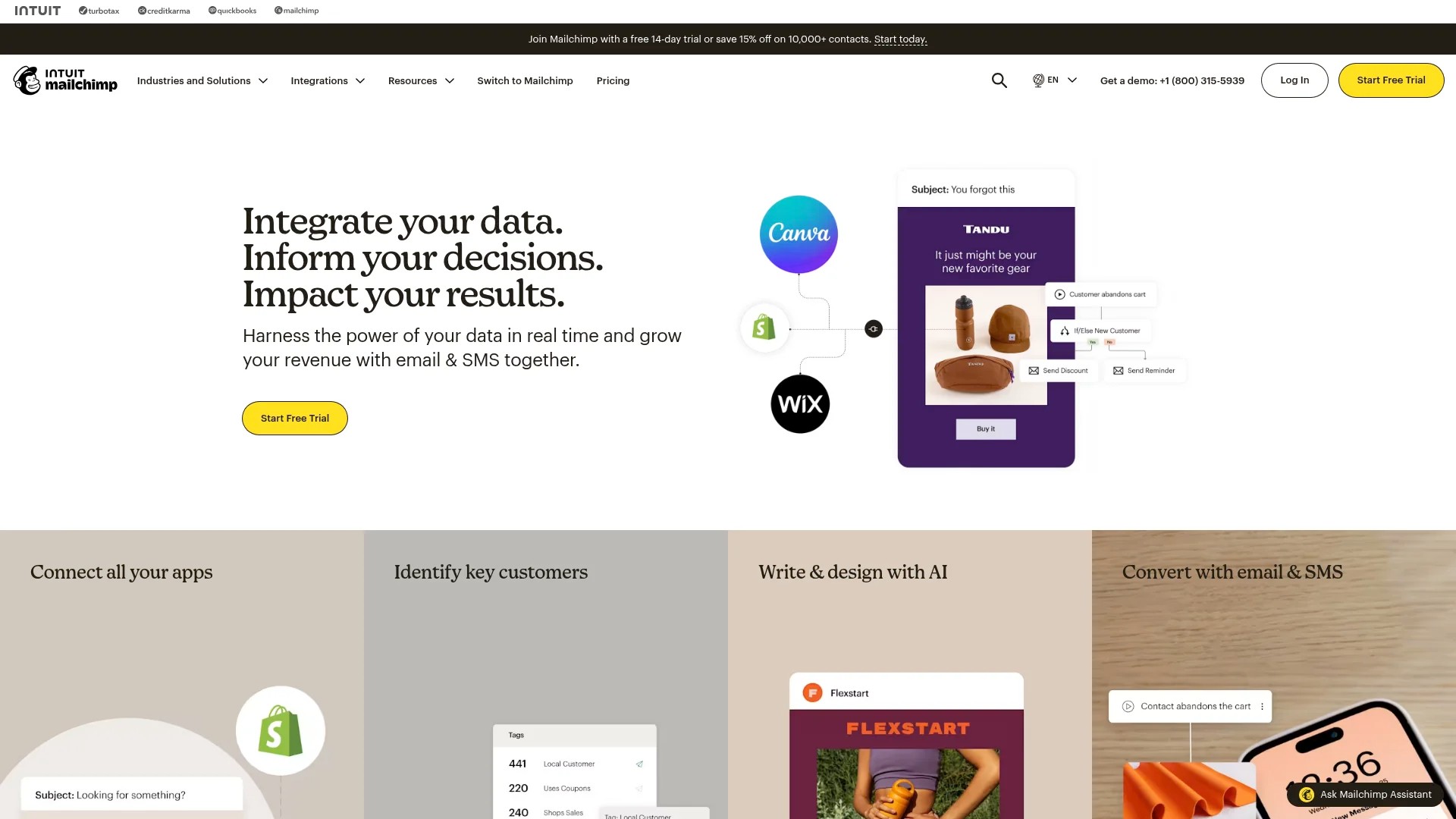
Mailchimp offers solid segmentation for small to mid-sized businesses with straightforward needs.
Salesforce Marketing Cloud provides enterprise-grade segmentation capabilities for large organisations with complex requirements.

Choose an ESP that supports the segmentation criteria that matter most for your business model.
Data Integration Requirements
Segmentation quality depends on data integration quality.
Your ESP needs reliable connections to your ecommerce platform, customer relationship management system, and website analytics.
These integrations should update in near-real-time. A cart abandonment flow triggered six hours after someone abandons their cart performs far worse than one triggered within minutes.
Test your integrations regularly. Data sync issues cause segmentation failures that you might not notice until you audit performance.
Analytics and Reporting Tools
You need visibility into segment performance to optimise effectively.
Your ESP should provide segment-level reporting for all key metrics: sends, opens, clicks, conversions, and revenue.
You should be able to compare segments directly and track performance trends over time.
Advanced attribution tools help you understand the full impact of segmented campaigns across the customer lifecycle, not just immediate conversions.
Building Your Email Segmentation Strategy
You've learned the theory, strategies, and implementation details. Now build your plan.
Audit Your Current State
Start by understanding where you are today.
What data do you currently collect about subscribers? Demographics, behaviour, purchase history, engagement patterns?
What segments do you already use? Are they static or dynamic? How effective are they?
What integration gaps prevent you from implementing more sophisticated segmentation?
This audit reveals which quick wins you can implement immediately and which capabilities you need to build.
Prioritise Your First Segments
Don't try to implement everything simultaneously. Choose three to five segments that will drive the most revenue.
For most ecommerce brands, start with cart abandonment, post-purchase, VIP customers, new subscribers, and inactive subscribers.
These segments cover the full customer lifecycle and address both acquisition and retention.
Create Your Content Plan
Each segment needs specific content and messaging.
Map out the emails each segment should receive. How frequently? Triggered by which behaviours? With which offers and messaging angles?
Develop templates for recurring segment communications. This makes execution consistent and efficient.
Plan your testing roadmap. Which elements will you test first within each segment?
Set Success Metrics
Define what success looks like for each segment before you launch.
Set baseline measurements for current performance. Establish target improvements you expect from segmentation.
Decide how long you'll test before evaluating results. Some segments show immediate impact. Others need months of data.
Create reporting dashboards that track segment performance automatically. You shouldn't need to manually compile metrics.
Plan Your Rollout
Launch segments progressively rather than all at once.
Start with one or two high-impact segments. Get them working properly before adding more.
This staged approach lets you learn from each implementation and refine your process.
It also prevents overwhelming your team with too many simultaneous projects.
For guidance on structuring automated flows effectively, see our article on Klaviyo re-entry criteria and automation strategy.
Make Email Segmentation Inevitable
Email segmentation transforms generic broadcast campaigns into targeted conversations that drive measurable results.
The data proves it works. 78% of marketers regard list segmentation as essential to their marketing strategy. They've seen the revenue impact firsthand.
Start with high-impact segments: cart abandoners, VIP customers, new subscribers, inactive subscribers. These deliver quick wins whilst you develop more sophisticated segmentation strategies.
Focus on data quality. Reliable customer data enables accurate segmentation. Integrate your email platform properly with your ecommerce system and website analytics.
Test continuously. Initial segments won't be perfect. Systematic testing reveals which criteria and messaging approaches work best for your specific audience.
Measure what matters. Track engagement metrics, conversion rates, and revenue per email for each segment. Let data guide your optimisation priorities.
Most importantly, match your messaging to each segment. Segmentation only works when you send genuinely different content to different groups.
The brands winning with email marketing aren't sending more emails. They're sending better-targeted emails to properly segmented lists.
Ready to make retention inevitable? Start building your first segment today.
.jpg)
.jpg)