The Complete Guide to Klaviyo Flows for Ecommerce [2026]
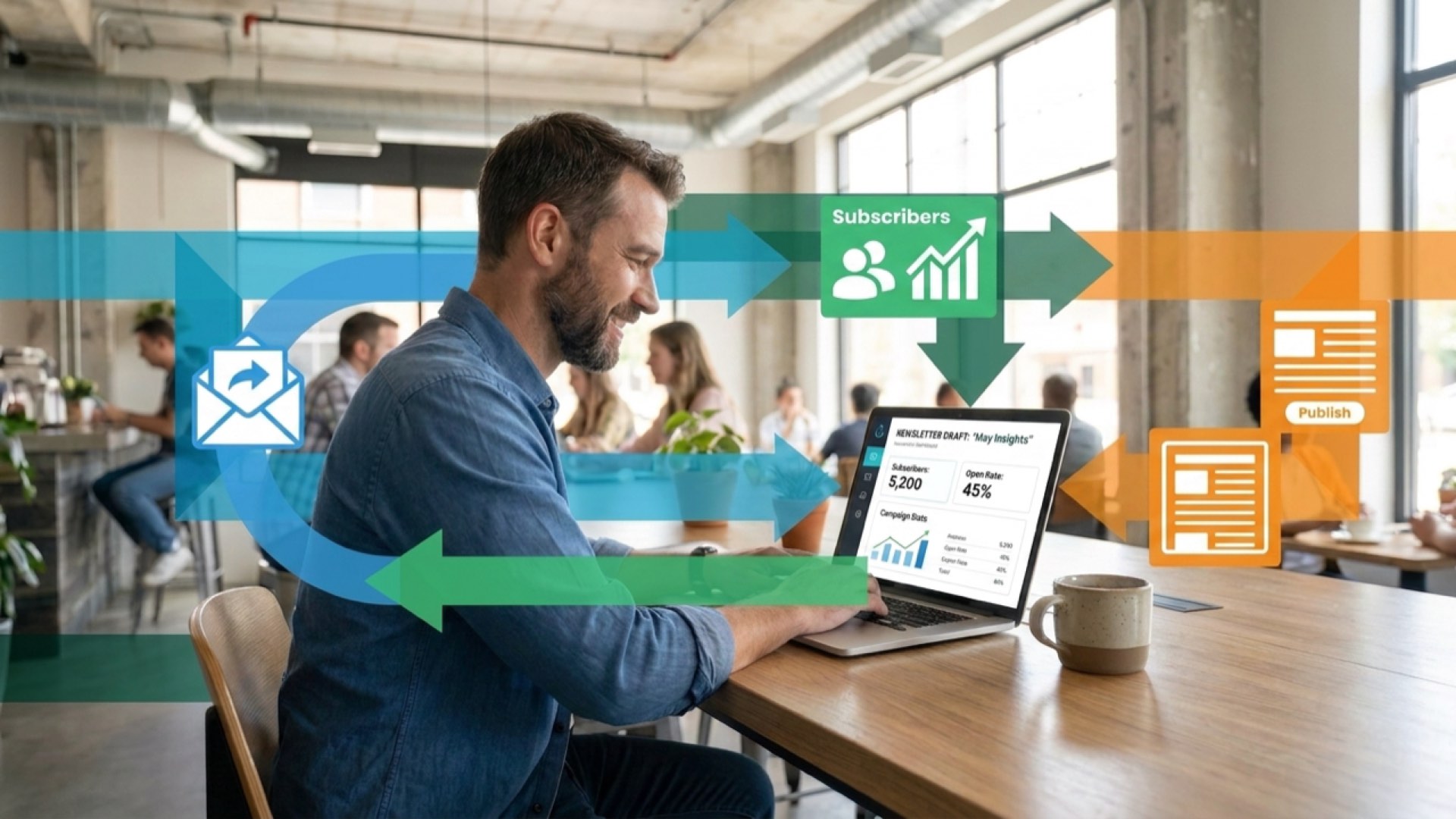
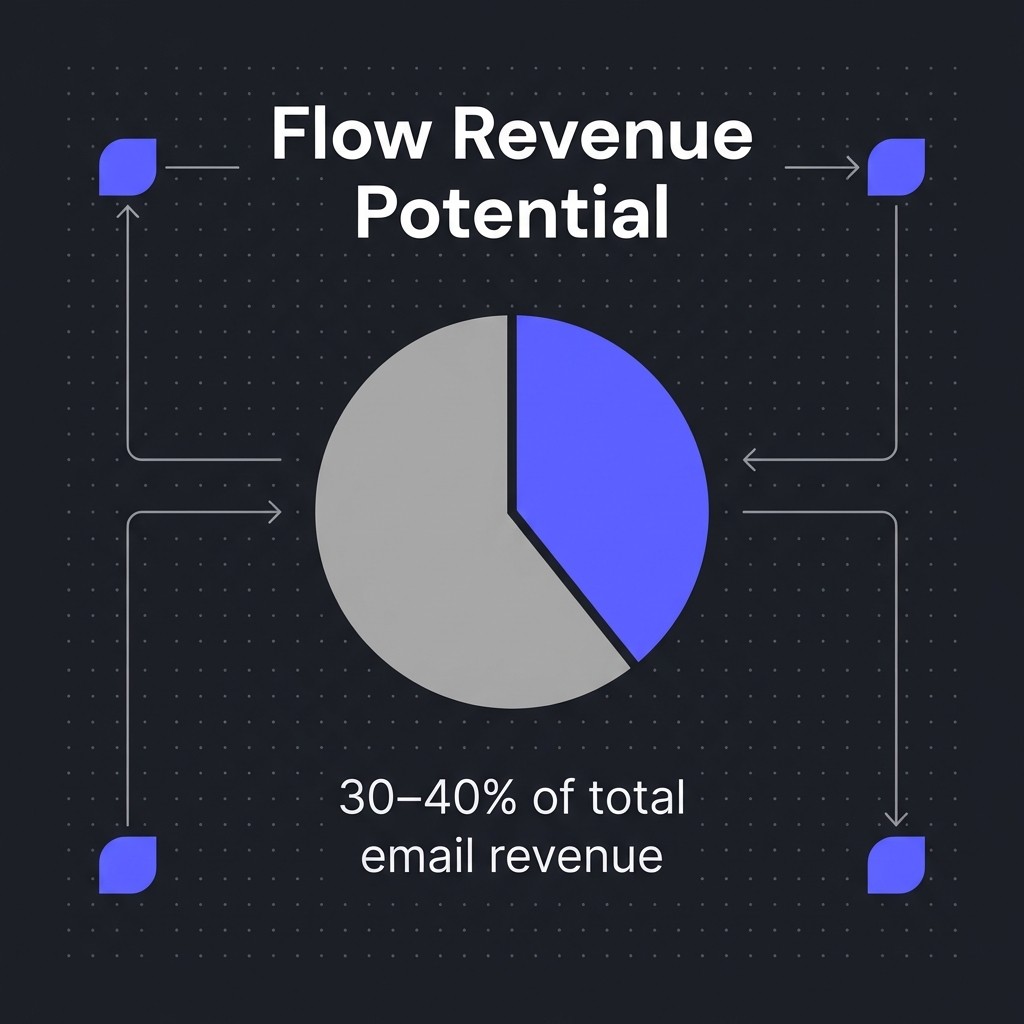
Most ecommerce brands are bleeding revenue through their email automation. A properly configured flow system can generate 30-40% of total email revenue, yet the majority of Klaviyo accounts we audit are running on autopilot with outdated sequences that convert poorly.
Here's what's actually working in 2026. Not generic advice, but the exact flow structures that drive measurable results for D2C brands right now.
This guide strips away the fluff. You'll get the specific triggers, timing sequences, and messaging frameworks that separate high-performing automated flows from the ones that sit dormant in your account. We're covering everything from foundational welcome sequences to advanced browse abandonment recovery, with the metrics that matter at every stage.
By the end, you'll know precisely which flows deserve your attention first, how to configure them for maximum revenue impact, and how to measure whether they're actually working. No theory. Just the retention strategies that make results inevitable.
What Are Klaviyo Flows? Understanding Email Marketing Automation
Flows are automated messaging sequences that trigger based on specific customer behaviours or profile characteristics. Unlike campaigns that require manual scheduling, flows operate continuously in the background, sending targeted messages whenever predefined conditions are met.
Think of flows as your retention team that never sleeps. Someone abandons their cart at 3am? The flow catches it. A customer makes their first purchase whilst you're on holiday? The flow sends the thank you sequence and sets up the next touchpoint automatically.
Klaviyo flows deliver personalised messages using real-time customer data such as purchase history and site activity. This isn't batch-and-blast email marketing. It's behaviour-triggered communication that responds to what customers actually do on your site.
The Core Components of Every Flow
Every flow contains three essential elements working together. First, the trigger determines who enters the flow and when. Second, filters refine the audience based on profile properties or past behaviour. Third, the message sequence delivers the actual content through email, SMS, or both channels.
Triggers range from simple list subscriptions to complex metric-based events. A customer joining your newsletter is a trigger. So is viewing a specific product category, hitting a certain order value threshold, or reaching an anniversary date.
Filters add precision. You might trigger a flow when someone abandons a cart, but filter it to exclude anyone who's already received a cart recovery email in the past 7 days. This prevents message fatigue whilst ensuring the right people receive relevant communication.
How Flows Differ From Campaigns
Campaigns are one-time sends to established segments. You create the message, select the audience, schedule the send time, and it goes out once. Flows reverse this logic entirely.
Flows evaluate every customer continuously against your trigger criteria. When someone matches the conditions, they enter the automated sequence regardless of when it happens. This makes flows perfect for lifecycle marketing, where timing matters more than batch scheduling.
The revenue difference is substantial. Campaigns generate spikes of activity around your send schedule. Flows generate consistent revenue 24/7 because they respond to customer behaviour in real time, not your marketing calendar.
Why Klaviyo Flows Are Essential for Ecommerce Success
Your customers expect immediate, relevant communication. Someone who abandons their cart doesn't want to wait until your next scheduled campaign. They need a reminder whilst purchase intent is still hot, typically within the first hour.
Flows deliver this responsiveness automatically. They catch revenue opportunities that manual campaigns miss entirely because human marketers can't monitor every customer action in real time.
Revenue Impact of Automated Flows
Properly configured flow systems typically generate 25-35% of total email revenue for ecommerce brands. The most sophisticated setups push this closer to 45%. This isn't supplementary revenue, it's foundational to your retention strategy.
Consider abandoned cart flows alone. These sequences recover purchases that would otherwise disappear from your revenue completely. Welcome flows convert new subscribers into first-time buyers. Post-purchase flows drive repeat purchases that increase customer lifetime value.
Each flow serves a specific retention objective. Together, they create an automated system that moves customers through your lifecycle without manual intervention.
Scalability Without Increasing Workload
Campaigns scale linearly with effort. More campaigns require more creation time, more scheduling, more management. Flows scale exponentially once configured.
Build a welcome series once. It runs for every new subscriber automatically. Optimise an abandoned cart flow. It recovers carts for thousands of customers without additional work.
This operational efficiency is why flows are non-negotiable for growing ecommerce brands. You cannot manually message every customer at the right moment with the right content. Flows handle this complexity automatically whilst you focus on strategy and optimisation.
Key Benefits of Automated Email Flows
The advantages extend beyond revenue generation. Flows fundamentally change how ecommerce brands approach customer communication, shifting from reactive campaigns to proactive lifecycle management.
Personalisation at Scale
Flows enable true one-to-one communication without requiring one-to-one effort. Each message can reference specific products the customer viewed, their browsing history, past purchase behaviour, or any profile property Klaviyo tracks.
This personalisation happens automatically because flows access real-time customer data when they send. Someone who abandoned a cart with trainers receives product recommendations for trainers, not generic "come back" messaging.
Dynamic content blocks within flows adjust based on customer segments. First-time visitors see different messaging than VIP customers, all within the same flow structure.
Improved Customer Experience Through Timely Communication
Timing determines email effectiveness more than most other factors. A cart abandonment email sent 1 hour after abandonment converts significantly better than one sent 24 hours later. Purchase intent decays rapidly.
Flows respect this timing imperative. They trigger based on customer actions, not your work schedule. This creates experiences that feel responsive rather than broadcast.
Customers perceive well-timed automated messages as helpful, not intrusive. The abandoned cart reminder arrives when they're still considering the purchase. The welcome email lands immediately after subscription when brand interest peaks.
Data-Driven Optimisation Opportunities
Flows generate consistent performance data because they run continuously. This enables meaningful split testing and iterative improvement that campaigns struggle to achieve.
Test subject lines across hundreds of recipients over weeks. Compare message timing with statistical significance. Evaluate different offer strategies with real conversion data.
Klaviyo provides real-time analytics and revenue tracking, allowing businesses to measure revenue generated by each automation flow. You see exactly which flows drive results and which need attention.
How Klaviyo Flows Work: Triggers, Filters, and Actions
Understanding flow mechanics is essential before building specific sequences. The system combines three elements in precise order to determine who receives messages and when.
Flow Triggers: The Entry Point
Triggers define the conditions that enrol someone into a flow. Klaviyo supports multiple trigger types, each suited to different marketing objectives.
Metric-triggered flows activate when specific events occur. Someone places an order, views a product, subscribes to a list, or clicks a specific email. These triggers capture behavioural moments.
List-triggered flows enrol people when they join a particular list or segment. Your newsletter signup form adds someone to a list, which triggers your welcome flow immediately.
Date property triggers activate on specific calendar dates stored in customer profiles. Birthdays, subscription anniversaries, or account creation dates all work as date triggers.
Segment-triggered flows monitor segment membership. When someone enters a defined segment, they enter the flow. This works well for behaviour-based scoring systems or engagement tiers.
Profile Filters: Refining Your Audience
Filters determine whether someone who meets the trigger criteria actually enters the flow. They evaluate profile properties, past behaviour, or segment membership at the moment of trigger evaluation.
Common filter applications include excluding existing customers from acquisition flows, preventing message overlap between similar flows, or targeting specific geographic regions or customer tiers.
Filters operate on an "if this, then that" logic. If someone abandons a cart (trigger) AND they haven't purchased in the past 30 days (filter) AND they're not already in another cart recovery flow (filter), then they enter this flow.
Proper filtering prevents the most common flow mistakes: sending irrelevant messages, overwhelming customers with too many automations simultaneously, or wasting sends on people unlikely to convert.
Time Delays and Message Timing
Delays control when messages send after trigger events. The timing can make or break flow performance.
Abandoned cart flows typically use short delays. Send the first message 1-2 hours after abandonment whilst intent remains high. The second message follows 24 hours later. A final message lands 48-72 hours from abandonment.

Welcome series spread messages over several days. Day 0 sends immediately upon subscription. Day 3 follows up with value content. Day 7 delivers a conversion-focused message.
Post-purchase sequences space messages around natural customer behaviour. Thank them immediately. Request a review 14 days later when they've used the product. Send replenishment reminders based on typical consumption rates.
Conditional Splits and Smart Branching
Conditional splits create multiple paths within a single flow based on customer characteristics or behaviour. This enables sophisticated personalisation without building dozens of separate flows.
A welcome flow might split based on signup source. Email subscribers go down one path. SMS subscribers receive different messaging. Social media referrals see content specific to that channel.
Behaviour-based splits react to engagement. If someone clicks a specific product link, they receive follow-up content about that product category. Non-clickers continue down the general path.
Purchase-based splits handle conversion within flows. Someone who purchases exits the promotional sequence and enters a post-purchase thank you flow instead. Non-purchasers continue receiving persuasion messaging.
The Top 12 Klaviyo Flows Every Ecommerce Store Needs
Not all flows deliver equal revenue impact. These twelve sequences form the foundation of effective ecommerce retention marketing, listed in priority order based on typical performance.
1. Abandoned Cart Recovery Flow
This flow recovers revenue from customers who add products to cart but don't complete checkout. It's typically the highest-revenue flow in any ecommerce account.
Set the trigger to "Started Checkout" with a zero-time delay. Use profile filters to exclude anyone who completed a purchase in the past hour, preventing unnecessary sends if they converted through another channel.
Send the first email 1 hour after abandonment. Keep it simple: show cart contents, remind them why they wanted these items, include a clear checkout link. Skip the discounts initially.
The second email lands 24 hours later. Add social proof, address common objections, potentially introduce a time-limited incentive if your margins support it.
The third email arrives 48-72 hours from abandonment. This is your last chance. Create urgency through stock warnings, final discount offers, or strong value propositions.
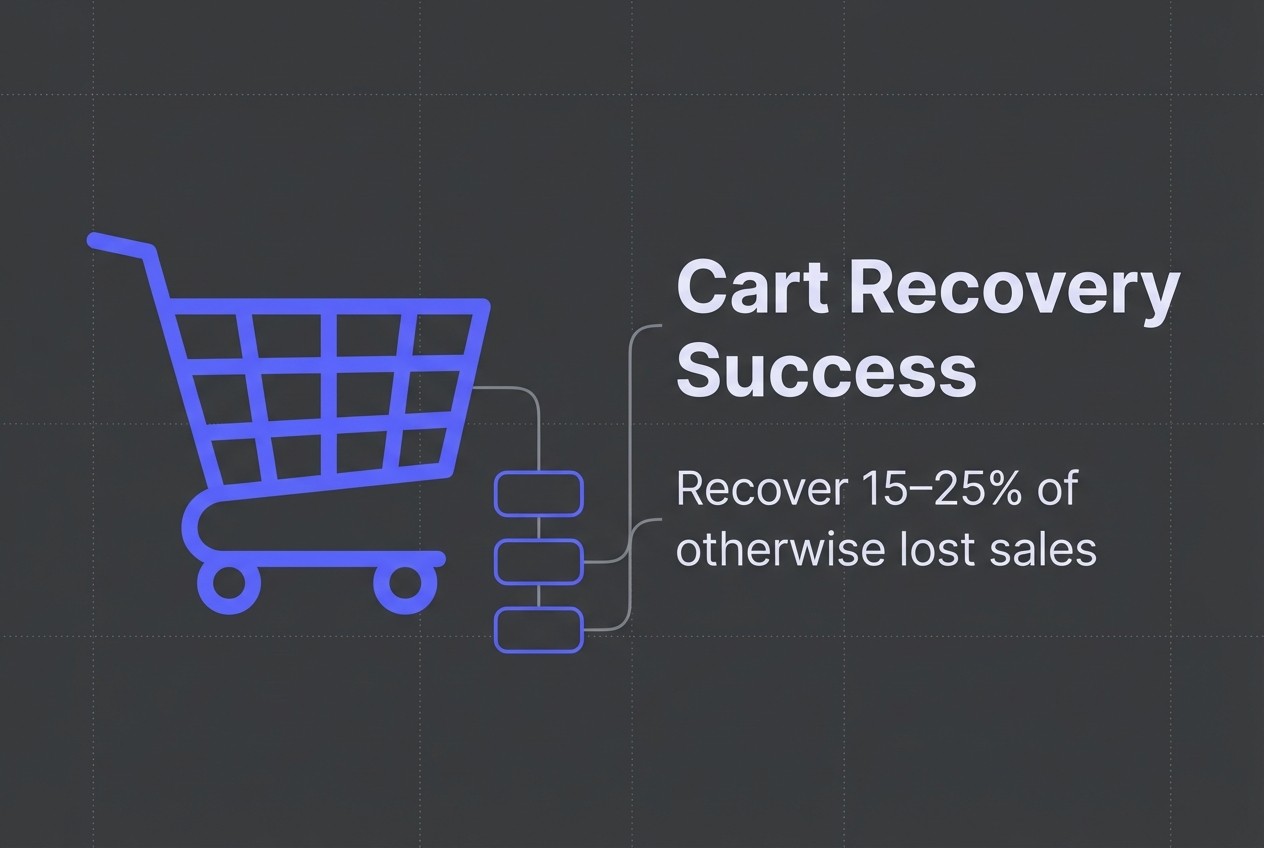
Revenue recovery rates vary by industry, but properly configured abandoned cart flows typically recover 15-25% of otherwise lost sales. For a brand with £1M in annual cart abandonments, that's £150-250K in recovered revenue.
2. Welcome Series Flow
Welcome sequences convert new subscribers into first-time customers. They capitalise on peak interest immediately after signup when brand awareness and purchase intent are highest.
Trigger this flow when someone joins your main email list. Set profile filters to exclude existing customers if this is an acquisition-focused sequence, or create a separate welcome-back flow for previous customers who resubscribe.
Email 1 sends immediately. Deliver the promised signup incentive, set brand expectations, showcase your unique value proposition. Include clear product categories or bestsellers.
Email 2 arrives 2-3 days later. Focus on education and trust-building. Share your brand story, highlight customer reviews, explain what makes your products different.
Email 3 lands 5-7 days after subscription. Drive conversion directly. Feature bestselling products, create urgency with time-limited offers, make the call-to-action unmistakable.
Email 4 (optional) comes 10-14 days in. Address final objections, share detailed product guides, offer consultation or customer service touchpoints.
Strong welcome series convert 5-15% of new subscribers into first-time buyers. This dramatically improves list quality and long-term customer lifetime value.

3. Browse Abandonment Flow
Browse abandonment captures customers who view products but leave without adding anything to cart. They're earlier in the purchase journey than cart abandoners but still show explicit interest.
Trigger on "Viewed Product" with a minimum of 2-3 product views in a session. Filter out anyone who started checkout or made a purchase, and exclude anyone already in your cart abandonment flow.
Wait 4-6 hours before sending. This delay respects natural browsing behaviour whilst capturing intent before it completely dissipates.
The first message showcases the specific products they viewed with compelling product descriptions and social proof. Include related products to expand consideration.
Send a second message 2-3 days later if they haven't converted. Focus on category-level content, bestsellers in the viewed category, or educational content about product selection.
Browse abandonment typically generates 60-70% of the revenue that cart abandonment produces, but captures a much larger audience since browsing is more common than carting.
4. Post-Purchase Thank You Flow
This flow acknowledges the purchase, sets delivery expectations, and begins the repeat purchase journey. It's your first post-conversion touchpoint and critical for retention.
Trigger on "Placed Order" immediately. Don't delay this confirmation.
Email 1 sends within minutes of purchase. Confirm order details, provide tracking information, set shipping expectations, include customer service contact details. Make them feel confident about their decision.
Email 2 arrives when the package delivers (use Shopify fulfilment data if available, or estimate 5-7 days). Welcome them to the customer community, provide product care instructions, hint at loyalty programme benefits.
Email 3 lands 14 days post-delivery. Request a product review. Make it easy with direct review links. Consider incentivising reviews with discount codes for future purchases.
This flow builds trust and sets the foundation for repeat purchases. The review requests generate social proof that improves conversion rates across your entire marketing.
5. Winback Flow for Lapsed Customers
Winback flows re-engage customers who haven't purchased recently. They're substantially more cost-effective than acquiring new customers because these people already know your brand.
Trigger this flow when someone enters a segment defined as "No purchase in past 90 days" (adjust the timeframe based on your typical purchase cycle). Filter out anyone currently in other active flows.
Email 1 acknowledges their absence without being needy. "We've missed you" works better than "You haven't purchased lately." Show new products or categories they haven't explored.
Email 2 arrives 5-7 days later. Increase the value proposition. Share customer success stories, highlight product improvements, demonstrate what's changed since their last interaction.
Email 3 is your strongest offer. Time-limited discounts, exclusive access, or loyalty rewards often perform well here. Create genuine urgency.
Email 4 (final message) comes 14 days from the series start. Last chance messaging. Consider a survey asking why they left if they still don't convert.
Winback flows often recover 3-8% of lapsed customers, depending on your product category and original customer relationship strength.
6. Back in Stock Flow
This flow notifies customers when previously out-of-stock products become available. It converts existing demand immediately rather than hoping customers check back manually.
Klaviyo's "Subscribed to Back in Stock" trigger activates when someone submits their email through a back-in-stock notification form on sold-out product pages.
Send this notification immediately when inventory updates. Every hour of delay costs conversions because other customers will purchase the restocked inventory.
The message should be simple and direct. Show the product clearly, confirm it's back in stock, provide a direct purchase link, and create urgency by noting limited quantities.
Include a countdown or stock level indicator if possible. "Only 12 left" or "Back for 48 hours" language converts better than generic availability announcements.
Back in stock flows often achieve 15-30% conversion rates because you're messaging people with explicit product interest who've already taken action to be notified.

7. Cross-Sell and Upsell Flow
These flows recommend complementary or premium products based on past purchases. They increase average order value and customer lifetime value simultaneously.
Trigger 7-14 days after initial purchase, once the customer has received and presumably used their original product. Filter by specific product purchases to ensure relevant recommendations.
Cross-sell emails suggest products that complement the original purchase. Someone who bought a camera receives recommendations for lenses, memory cards, or camera bags.
Upsell emails propose premium alternatives or upgrades. A customer who purchased entry-level products sees mid-tier or premium options with clear value differentiation.
Use conditional splits based on original purchase category. Camera buyers see photography accessories. Apparel buyers see coordinating items. This personalisation dramatically improves conversion rates.
Include bundle offers or multi-buy discounts to increase basket size. "Complete your setup" messaging often outperforms generic "you might also like" recommendations.
8. Birthday and Anniversary Flow
Date-based flows celebrate customer milestones and provide timely incentives when customers are most receptive to brand messaging.
Set up two parallel flows: one for birthdays, one for customer anniversaries. Both trigger on date properties stored in customer profiles.
Send birthday messages 1-3 days before the actual date to ensure the offer is usable on their birthday. Include a time-limited discount or special gift.
Anniversary flows trigger on the date they first purchased. "One year with us" messaging works well. Showcase how far they've come, highlight loyalty benefits, provide exclusive access or discounts.
Keep the messaging celebratory, not transactional. These flows build emotional connection as much as they drive immediate revenue.
9. VIP Customer Flow
VIP flows reward your best customers with exclusive access, early product launches, or special perks. They increase retention among your highest-value segment.
Trigger when someone enters your VIP segment (typically defined by lifetime spend or purchase frequency). Send a welcome message that acknowledges their status and explains exclusive benefits.
Follow with periodic VIP-only content: early access to sales, exclusive products, behind-the-scenes content, or personalised recommendations from your team.
Time these messages around product launches or major promotions, giving VIP customers 24-48 hours of exclusive access before general availability.
The goal isn't just immediate revenue. VIP flows increase customer lifetime value by making top customers feel valued, which dramatically improves retention rates in this crucial segment.
10. Sunset Flow for Unengaged Subscribers
This flow identifies and removes chronically unengaged subscribers to maintain list health and improve deliverability.
Trigger when someone enters a segment defined as "No email opens in past 120 days" (adjust based on your send frequency). This flow is your last attempt at re-engagement before removal.
Email 1 uses your strongest subject line tactics. "Is this goodbye?" or "Last chance to stay connected" creates urgency. Offer significant value or ask directly if they want to remain subscribed.
Email 2 comes 7 days later for those who didn't engage. More direct: "Should we remove you?" Include a prominent "stay subscribed" button to capture those who want to remain but haven't engaged recently.
Email 3 is the final message. Confirm removal unless they click to stay. Make the unsubscribe process respectful and simple.
After this sequence, remove non-responders from your main lists. This improves your sender reputation, reduces email costs, and ensures you're focusing retention efforts on genuinely interested customers.
11. Replenishment Flow
For consumable products, replenishment flows remind customers to reorder before they run out. This flow works brilliantly for supplements, beauty products, pet food, or any regularly consumed item.
Calculate your product's typical consumption period. A 30-day supply of vitamins needs a reminder around day 21-25. Trigger the flow based on days since purchase of specific products.
Email 1 is a friendly reminder. "Running low?" with clear product imagery and one-click reordering. Make repurchasing frictionless.
Email 2 arrives 5-7 days later if they haven't reordered. Add urgency: "Don't run out" messaging. Consider a small discount for immediate reorder.
Email 3 comes another 7 days later. Final reminder with stronger incentive. After this, they enter a general winback flow if they don't convert.
Replenishment flows often achieve 8-15% conversion rates because the timing aligns perfectly with natural purchase cycles.
12. Customer Education Series
Education flows help customers maximise product value, reducing buyer's remorse and increasing satisfaction. This indirectly boosts retention and positive reviews.
Trigger 3-5 days after purchase, once customers have received their products. Structure this as a 3-5 email series spaced every 3-5 days.
Email 1 covers basic setup or initial use. Simple, clear instructions that get them started successfully.
Email 2 explores intermediate features or common use cases. Help them discover value beyond basic functionality.
Email 3 shares advanced tips, creative applications, or community inspiration. Show them the full potential.
Email 4 (optional) addresses common problems or troubleshooting. Reduce customer service burden whilst maintaining satisfaction.
Whilst education flows don't directly drive immediate revenue like abandoned cart sequences, they significantly impact repeat purchase rates and customer lifetime value by ensuring product satisfaction.
Setting Up Your First Klaviyo Flow: Step-by-Step Process
Building effective flows requires understanding Klaviyo's interface and following a systematic configuration process. This section walks through creating an abandoned cart flow from scratch.
Accessing the Flow Builder
Log into your Klaviyo account. Navigate to the "Flows" tab in the left sidebar. Click "Create Flow" in the upper right.

You'll see Klaviyo's flow library with pre-built templates. These provide good starting points, but understanding manual configuration is essential for customisation.
For this example, select "Create from Scratch" rather than using a template. This reveals the full flow builder interface.
Configuring Flow Triggers
Click "Add Trigger" to open the trigger selection menu. Search for "Started Checkout" under metric-based triggers.
Select "Started Checkout" and click "Done." This establishes the entry point: anyone who begins checkout enters this flow.
Now configure trigger filters by clicking "Add trigger filter." These refine who enters the flow based on properties at trigger time.
Add a filter for "Placed Order zero times since starting this flow." This prevents sending cart recovery emails to people who've already converted.
Add another filter: "What someone has done > Received email from this flow zero times in the last 7 days." This prevents overwhelming customers with multiple cart recovery sequences if they abandon multiple times.
Building the Email Sequence
Below your trigger, click the plus icon to add an action. Select "Time Delay."
Set this delay to 1 hour. This respects the customer's shopping behaviour whilst catching intent before it dissipates.
After the delay, add another action: "Email." This opens Klaviyo's email editor.
Name your email descriptively: "Abandoned Cart Email 1 - Reminder." This helps with future management.
In the email editor, design your first cart recovery message. Include dynamic cart contents using Klaviyo's template variables, show product images, provide a clear "Complete Your Order" button linking directly to checkout.
Save the email and return to the flow builder.
Adding Subsequent Messages
Below your first email, add another time delay: 23 hours. This creates a 24-hour gap from the first send.
Add a conditional split: "Has someone placed an order since starting this flow?" This creates two paths: one for converters, one for non-converters.
In the "Yes" branch (they purchased), add an action to remove them from the flow. They don't need more cart recovery emails.
In the "No" branch (still haven't purchased), add your second email. This message should be stronger: add social proof, address objections, potentially introduce a small incentive.
Repeat this pattern for a third email 48 hours later. Time delay, conditional split checking for purchase, and a final persuasive email for non-converters.
Activating and Testing Your Flow
Before activation, use Klaviyo's preview function to check email rendering across devices. Test all dynamic content blocks to ensure cart contents display correctly.
Set yourself up as a test profile. Perform a cart abandonment on your site. Verify the flow triggers correctly and sends reach your inbox at the expected times.
Check that conditional splits work: complete a purchase after the first email and confirm you don't receive subsequent messages.
Once testing confirms everything works, toggle the flow to "Live" status. It now runs automatically for every cart abandonment.
Flow Personalisation and Dynamic Content Strategies
Generic automation underperforms. The flows that generate exceptional revenue leverage Klaviyo's personalisation capabilities to deliver relevant, individualised messaging at scale.
Dynamic Product Recommendations
Klaviyo's product feed integration enables automated product recommendations based on customer behaviour, purchase history, or browsing patterns.
In abandoned cart flows, dynamically display the exact products the customer left behind. Use Klaviyo's cart template variables to pull product images, names, prices, and direct checkout links.
In browse abandonment flows, showcase the specific products they viewed. Add "customers also viewed" recommendations to expand consideration.
For post-purchase cross-sell flows, use conditional logic to recommend products based on what they originally purchased. Camera buyers see lens recommendations. Apparel buyers see coordinating pieces.
This product-level personalisation converts substantially better than generic "check out our shop" messaging because it proves you understand their specific interests.
Behavioural Segmentation Within Flows
Not all customers are identical. Build conditional splits based on customer segments to deliver personalised paths through your flows.
VIP customers might receive different welcome series messaging than first-time subscribers. Perhaps they skip the educational content and receive immediate access to exclusive products.
Geographic splits enable region-specific content. UK customers see relevant delivery times and costs. US customers receive different messaging.
Purchase frequency segments alter messaging tone. First-time buyers need trust-building and education. Repeat customers get straight to product benefits and conversion.
The key is optimising for results, not just completing tasks. Every segmentation decision should directly improve conversion rates or customer experience.
Dynamic Content Blocks Based on Profile Properties
Klaviyo's dynamic content feature shows different message blocks to different customers within the same email, based on profile properties or segment membership.
Show different product categories to men versus women in your welcome series. Feature different content for subscribers interested in specific topics.
Adjust discount levels based on customer lifetime value. First-time customers might receive 15% off. VIP customers get 20% plus free shipping.
Personalise hero images, headlines, or entire sections based on the customer segment. This creates the perception of individually crafted emails whilst maintaining operational efficiency.
Cross-Channel Personalisation: Email and SMS
Klaviyo flows support both email and SMS within the same automation. Use each channel strategically based on message urgency and customer preferences.
Abandoned cart flows work well with SMS for the first touchpoint due to high urgency and open rates. Follow with email for more detailed product information and social proof.
Welcome series typically start with email because you're delivering promised content and building relationship. SMS works for time-sensitive offers later in the sequence.
Always respect channel preferences. Use profile filters to send SMS only to customers who've opted into that channel. Provide easy opt-out options to maintain list quality.
Flow Analytics: Measuring Performance and ROI
Building flows is half the equation. Measuring their performance and systematically optimising based on data completes the retention system.
Essential Flow Metrics to Track
Revenue per recipient is your primary flow metric. This shows how much revenue each person who enters the flow generates on average. Compare this across flows to identify your highest-value automations.
Conversion rate measures what percentage of flow recipients complete your desired action. For abandoned cart flows, this is purchase completion. For welcome series, it's first-time purchase rate.
Click-through rate indicates message engagement. Low CTR suggests your content isn't compelling or relevant enough. High CTR with low conversion points to problems on your website, not the flow itself.
Open rate shows deliverability and subject line effectiveness. Declining open rates over a flow series indicate message fatigue or poor timing.
Flow revenue as a percentage of total email revenue reveals how dependent your retention marketing is on automation versus campaigns. Target 30-40% for mature ecommerce brands.
Accessing Flow Reports in Klaviyo
Navigate to your Flows tab and select the flow you want to analyse. Click the "Analytics" tab to access performance data.
Klaviyo shows aggregate performance across the entire flow: total revenue generated, recipient count, conversion rates, and channel breakdown.
Drill into individual email performance by clicking each message in the flow diagram. This reveals message-specific metrics: open rates, click rates, revenue per recipient.
Use the date range selector to compare performance across different time periods. Look for trends: is performance improving or declining? Are there seasonal patterns?
A/B Testing Flow Components
Systematic testing reveals what actually drives performance improvements versus assumptions.
Test subject lines first. This often delivers the largest impact because it determines open rates. Create two variants with different approaches: urgency versus curiosity, direct versus creative.
Test email timing by creating duplicate flows with different delay intervals. Does 1 hour perform better than 4 hours for cart abandonment? Does 3 days or 7 days work better for welcome series?
Test offer structures. Does a percentage discount outperform free shipping? Do BOGO offers beat straight discounts?
Test message length and format. Short, punchy emails versus detailed storytelling. Single-product focus versus multiple recommendations.
Run each test for at least 2-3 weeks to achieve statistical significance. Seasonal variations or weekly patterns can create false conclusions with shorter testing periods.
Benchmarking Flow Performance
Internal benchmarks matter more than industry averages. Compare your flows against each other and against your own historical performance.
Your abandoned cart flow should generate more revenue per recipient than your browse abandonment flow. If it doesn't, something's wrong with your cart recovery configuration.
Welcome series conversion rates should exceed campaign conversion rates. New subscribers have higher purchase intent than your general list.
Track month-over-month changes. Is flow revenue growing or stagnating? Are conversion rates improving as you optimise?
Set quarterly performance targets for each major flow. Abandoned cart should recover X% of cart value. Welcome series should convert Y% of new subscribers.
Common Klaviyo Flow Mistakes to Avoid
Most flow underperformance stems from predictable configuration errors. Avoid these common mistakes to maintain strong results.
Sending Too Many Messages Too Quickly
Message fatigue destroys flow performance. Three emails in 24 hours overwhelms customers and increases unsubscribe rates.
Space messages appropriately for the customer journey. Abandoned cart flows can be compressed because purchase intent decays quickly. Welcome series need more breathing room for relationship building.
Use global flow filters to prevent customers from being in multiple flows simultaneously. Someone shouldn't receive abandoned cart emails whilst also getting your welcome series.
Ignoring Mobile Optimisation
Most ecommerce emails open on mobile devices. Flows designed on desktop that don't render well on mobile waste your highest-value traffic.
Keep email width narrow. Use large, tappable buttons. Ensure text is readable without zooming. Test every flow email on actual mobile devices before activation.
Product images should be large enough to see clearly on small screens. Checkout links must be obvious and easy to tap.
Poor Trigger Configuration
Trigger errors create flows that activate at the wrong times or for the wrong people, wasting sends and frustrating customers.
Abandoned cart flows need proper purchase exclusions. Don't email someone who already bought.
Welcome flows should exclude existing customers unless you're deliberately creating a welcome-back sequence.
Date-based flows require accurate date properties in customer profiles. Verify your data collection before building anniversary or birthday flows.
Generic, Template-Based Content
Klaviyo's flow templates provide structure, but using their default copy verbatim produces mediocre results.
Customise every message for your brand voice, product category, and customer base. Generic "complete your purchase" messaging underperforms compared to brand-specific copy that reflects your unique value proposition.
Reference specific products, use your brand's tone, acknowledge your customer's likely concerns or questions. Make it feel human, not automated.
Failing to Update Flows Regularly
Set-it-and-forget-it flows gradually decline in performance. Products change, seasons shift, customer behaviour evolves.
Review major flows quarterly. Update product recommendations, refresh creative assets, test new messaging angles.
Seasonal updates matter. Your abandoned cart messaging in November (gift-giving season) should differ from July messaging.
Remove discontinued products from recommendations. Update shipping timeframes. Refresh testimonials with recent reviews.
Advanced Flow Strategies for Maximum Revenue
Once foundational flows run smoothly, these advanced techniques unlock additional revenue and retention improvements.
Predictive Analytics and Send Time Optimisation
Klaviyo excels in seamless integration with ecommerce platforms, enabling predictive send time optimisation based on individual customer behaviour patterns.
Rather than sending all flow emails at fixed times, Klaviyo can analyse when each customer typically engages and schedule sends accordingly. Someone who opens emails at 9pm receives messages then, not at your default 10am send time.
Enable this feature in flow email settings. Klaviyo requires sufficient historical data per customer, so it works best for established lists.
Multi-Step Conditional Logic
Build sophisticated decision trees within flows using multiple conditional splits.
A welcome series might first split by product interest (derived from signup form data), then split again by engagement level (who clicked the first email versus who didn't), then split a third time by purchase behaviour.
This creates highly targeted paths. Engaged, interested, non-purchasers receive different messaging than unengaged prospects.
Each split should serve a clear strategic purpose. Complexity for its own sake reduces manageability without improving results.
Progressive Profiling Through Flows
Use flows to gradually collect customer information rather than overwhelming new subscribers with lengthy signup forms.
Your initial welcome email might ask for their birthday to unlock a birthday discount. The second email requests product preferences. The third asks about purchase intent timing.
Each request provides immediate value in exchange for information. This progressive approach collects more complete profiles with better data quality than demanding everything upfront.
Attribution and Multi-Touch Analysis
Flows rarely work in isolation. A customer might receive an abandoned cart email, then a browse abandonment email, then a campaign before finally purchasing.
Klaviyo's attribution reporting shows how flows contribute to conversions even when they're not the final touchpoint. Access this through Analytics → Attribution.
This reveals which flows are strong conversion drivers versus which primarily support other channels. Use this intelligence to prioritise optimisation efforts on flows with high assisted conversion rates.
Integrating Flows Into Your Complete Retention Strategy
Flows aren't standalone tactics. They're components of a comprehensive retention system that includes campaigns, segmentation, and lifecycle planning.
Balancing Flows and Campaigns
Flows handle behaviour-triggered communication. Campaigns handle time-based broadcasts for promotions, content, or brand building.
Strong retention strategies use both. Flows capture immediate opportunities. Campaigns maintain ongoing engagement and enable promotional strategies.
Coordinate timing to prevent overlap. If you're running a major promotional campaign, temporarily adjust flow frequency or suppress customers already in campaign segments from flow sends.
Use flow performance to inform campaign strategy. Products that convert well in flows often perform well in campaigns. Messaging angles that test successfully in flows can scale to campaigns.
Segment-Specific Flow Variations
Build parallel flows for different customer segments when messaging needs differ substantially.
Create separate welcome series for VIP customers versus first-time subscribers. VIP welcome-back flows acknowledge their history and provide immediate access to exclusive benefits.
Geographic segments might need entirely different flows if shipping times, product availability, or regional preferences vary significantly.
The key is identifying where segment differences justify the operational complexity of maintaining multiple flows versus using conditional splits within a single flow.
Customer Lifecycle Mapping
Customer lifetime value increases dramatically when flows align with natural lifecycle stages.
Map your customer journey: awareness, consideration, first purchase, onboarding, repeat purchase, loyalty, advocacy. Build flows that support each stage.
Welcome series handles awareness-to-consideration. Abandoned cart supports consideration-to-purchase. Post-purchase manages onboarding. Replenishment drives repeat purchases. VIP flows build loyalty.
Gaps in this lifecycle map represent missed retention opportunities. If you lack flows between first purchase and repeat purchase, you're not nurturing customers through that critical transition.
https://www.flowfixer.com/contact-us
Quick Answers to Common Flow Questions
What are Klaviyo flows?
Klaviyo flows are automated messaging sequences triggered by specific customer behaviours or events. They send targeted messages based on predefined triggers and filters without requiring manual scheduling.
What is the difference between flow and campaign in Klaviyo?
Campaigns are one-time sends to pre-established lists scheduled manually. Flows are automated sequences triggered by customer behaviours. Campaigns target existing audiences for events like newsletters, whilst flows send messages automatically when specific actions occur.
How do I prevent customers from receiving too many flow emails?
Use flow filters to exclude customers already in other active flows. Set suppression rules in account settings to cap total messages per week. Add conditional splits checking recent email receipt before sending additional messages.
What's a good conversion rate for abandoned cart flows?
Strong abandoned cart flows typically recover 15-25% of abandonments. Rates vary significantly by industry, average order value, and cart abandonment reason. Focus on improving your own baseline rather than hitting arbitrary benchmarks.
Should I use discounts in my flow messages?
Start without discounts to avoid training customers to wait for offers. Test discount introduction in second or third messages for non-converters. Monitor margin impact carefully. Many flows perform well without discounts through strong copy and urgency tactics.
Make Retention Inevitable With Properly Configured Flows
The difference between ecommerce brands that thrive and those that struggle often comes down to retention execution. Flows are your automated retention team, working 24/7 to recover lost sales, nurture new subscribers, and drive repeat purchases.
Start with these three flows immediately: abandoned cart recovery, welcome series, and post-purchase thank you. These three sequences alone typically generate 40-50% of what mature flow systems produce, but require minimal setup complexity.
Build them properly from the start. Correct triggers, appropriate filters, well-spaced timing, and mobile-optimised creative. Test everything before activation.
Then systematically expand. Add browse abandonment once cart recovery performs well. Layer in customer winback when you've refined your welcome series. Build VIP flows after establishing strong segmentation.
The brands winning at retention aren't guessing. They're measuring flow performance rigorously, testing systematically, and optimising based on actual revenue data rather than assumptions.
Your Klaviyo account contains untapped revenue right now. Most brands we audit are leaving 20-30% additional email revenue on the table through underperforming flows. The question isn't whether flows can drive more revenue. It's whether you'll configure them properly to capture it.
Ready to make retention inevitable? Get a free Klaviyo audit and discover exactly what's holding your flows back.
.jpg)
.jpg)