
Email Warmup: How to Prepare Your Domain for BFCM Volume
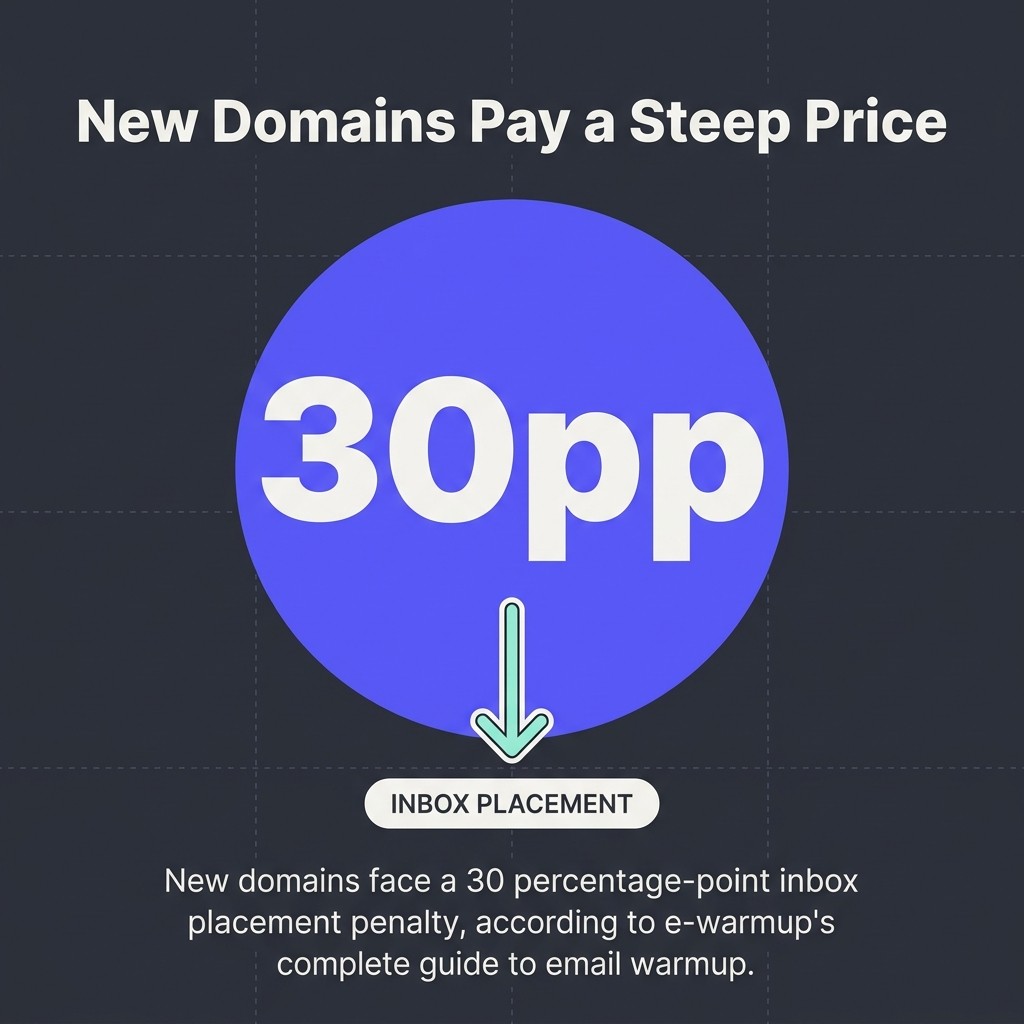
Email warmup is the process of gradually increasing sending volume from a new or dormant domain to build sender reputation with email service providers before launching high-volume campaigns. Skipping it costs real money: new domains face a 30 percentage-point inbox placement penalty according to e-warmup's complete guide to email warmup, and Validity's 2026 Deliverability Benchmark Report recorded an average global inbox placement rate of just 87.2%. For BFCM, that gap between inbox and spam folder is the gap between a profitable season and a wasted one.
Most ecommerce brands leave BFCM deliverability to chance. They build the campaigns, write the copy, set the send times, and then wonder why open rates collapse on the biggest send of the year. We've seen it repeatedly across the brands we work with. This guide exists to make that outcome avoidable.
What Email Warmup Is and Why BFCM Makes It Urgent
Email warmup is the structured, deliberate process of establishing sender reputation with ESPs by sending low volumes of email and generating positive engagement signals before scaling to full campaign volume. Without it, inbox placement suffers from the moment you send at scale.
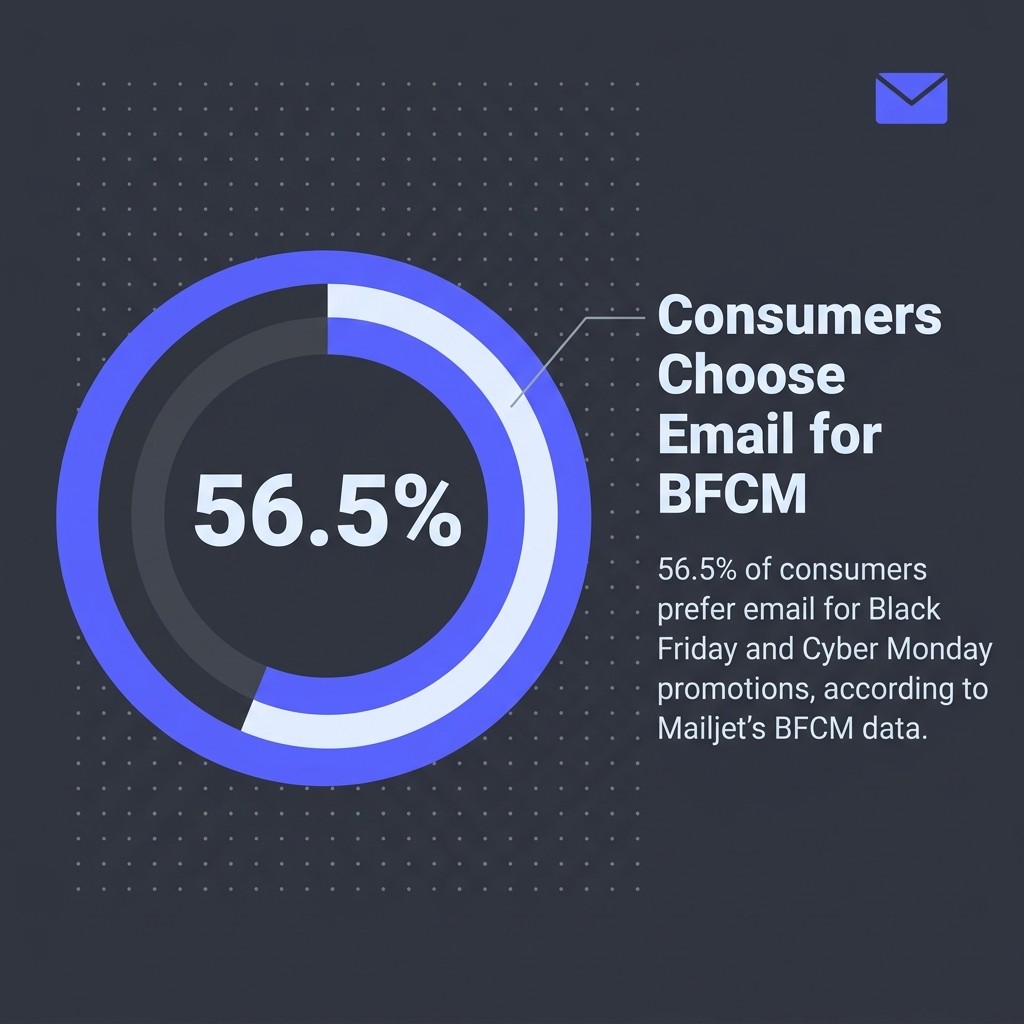
BFCM concentrates an entire quarter's email volume into a matter of days. Mailjet's BFCM data shows that 56.5% of consumers prefer email for Black Friday and Cyber Monday promotions. That preference is enormous. But it also means every sender is competing for the same inbox at the same time, and ESPs tighten their spam filters in response to the surge.
Adobe Analytics reported that 38% of BFCM revenue occurs before Black Friday itself. Your email warm-up needs to be complete before those early sends go out, not after. The window is shorter than most brands realise.
And the stakes are not abstract. U.S. online spending during the 2025 holiday season reached $257.8 billion. A fraction of that flows directly through email. Inbox placement is not a technical detail. It is a revenue variable.
How Email Warmup Works: The Technical Process
Email warmup works by sending small volumes of email to engaged recipients, generating opens and replies, and training ESPs to associate your domain and IP address with legitimate human interaction rather than spam behaviour.
When you send from a new domain or IP, ESPs have no history to evaluate. They assess sender reputation in real time using several signals: your authentication setup, your sending volume relative to your historical baseline, your bounce rate, your spam complaint rate, and the engagement your emails generate. A cold domain that suddenly sends 50,000 emails triggers every spam filter simultaneously. That is not a recoverable position in October.
A properly structured email warmup ramp looks like this:
- Week 1: Send 20–50 emails per day to your most engaged subscribers. Expect near-perfect open rates.
- Week 2: Scale to 100–200 emails per day. Monitor bounce rates and spam complaints closely.
- Week 3: Increase to 500–1,000 emails per day. Add slightly less engaged segments.
- Week 4: Move toward 2,000–5,000 per day, depending on your list size and clean list verification.
- Weeks 5–8: Continue doubling at a sustainable rate until you reach your target BFCM send volume.
The goal is consistent positive engagement at each volume level before moving up. Positive engagement, specifically opens and replies, tells Gmail and Outlook that real humans want your emails. That is the entire signal the warmup process is building.
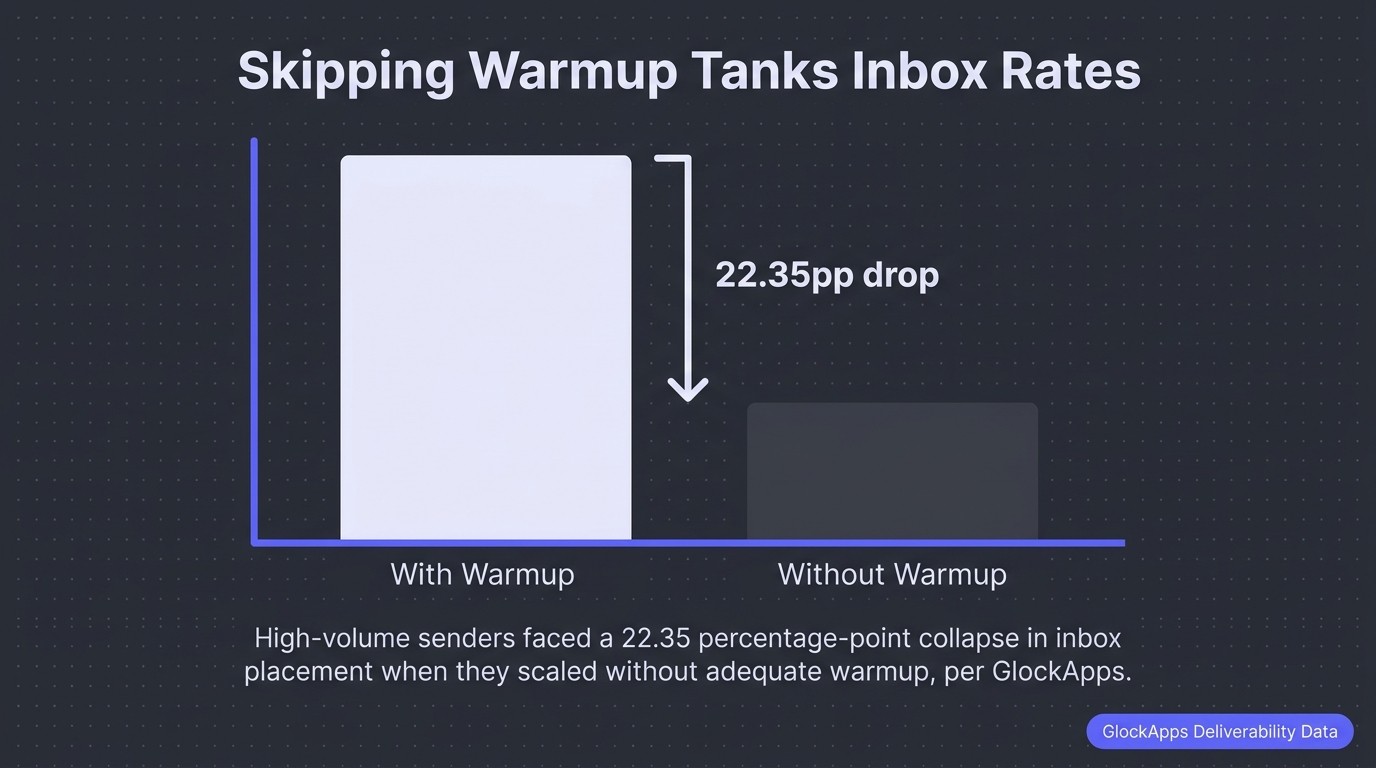
One number worth knowing: GlockApps' deliverability data shows high-volume senders faced a 22.35 percentage-point collapse in inbox placement when they scaled without adequate warmup. That is not a minor dip. That is the difference between a campaign that works and one that does not.
For Klaviyo users specifically, the platform's sending infrastructure still depends on your domain's reputation. Klaviyo manages the sending IP side, but your domain reputation is entirely yours to build. No warm up tool replaces that.
How Long Email Warmup Takes Before BFCM
A standard email warmup requires 4–8 weeks to establish adequate sender reputation for high-volume sends, which means BFCM preparation should begin no later than early October.
That timeline is not arbitrary. Cleanlist's sender reputation glossary confirms that recovering from damaged sender reputation takes 4–8 weeks. If you damage your domain mid-warm-up by sending too aggressively, you do not get to restart the clock. You wait out the recovery period, then begin again. In BFCM terms, that means missing the season entirely.
The 4–8 week range depends on several factors: whether you are warming a brand new domain or re-engaging a dormant one, your list quality, your engagement rates during warmup, and the specific ESP you are warming up with. New domains sit at the harder end. Dormant domains with good historical reputation can sometimes compress the timeline to 3–4 weeks if the list is clean and engagement is strong from day one.
Do not conflate warmup completion with being ready to send. Warmup gets you to a sustainable daily volume. You then need another 1–2 weeks of stable sending at that volume before you add the spike of a major campaign. Build that buffer into your October schedule.
Technical Foundations to Set Up Before You Start Warming Up
SPF, DKIM, and DMARC authentication are non-negotiable prerequisites for email warmup, and Google now enforces all three as a hard requirement for bulk senders.
No warm up tool fixes broken authentication. Authentication failures cause emails to fail or land in spam regardless of your warmup progress. Set these up first, verify them, and confirm they are passing before you send a single warmup email.
SPF, DKIM, and DMARC: What Each One Does
SPF (Sender Policy Framework) specifies which mail servers are authorised to send email on behalf of your domain. It is a DNS TXT record. Without SPF, receiving servers have no way to verify that your emails are legitimate.
DKIM (DomainKeys Identified Mail) adds a cryptographic signature to your emails. It lets receiving servers confirm the email was not tampered with in transit. Klaviyo generates DKIM keys for you. You add the DNS records they provide.
DMARC (Domain-based Message Authentication, Reporting and Conformance) ties SPF and DKIM together and tells receiving servers what to do when authentication fails. It also sends you reports on who is sending email using your domain. Google's bulk sender requirements explicitly enforce SPF, DKIM, and DMARC for all senders above 5,000 daily emails. That threshold is irrelevant for most BFCM campaigns. Assume you need all three.
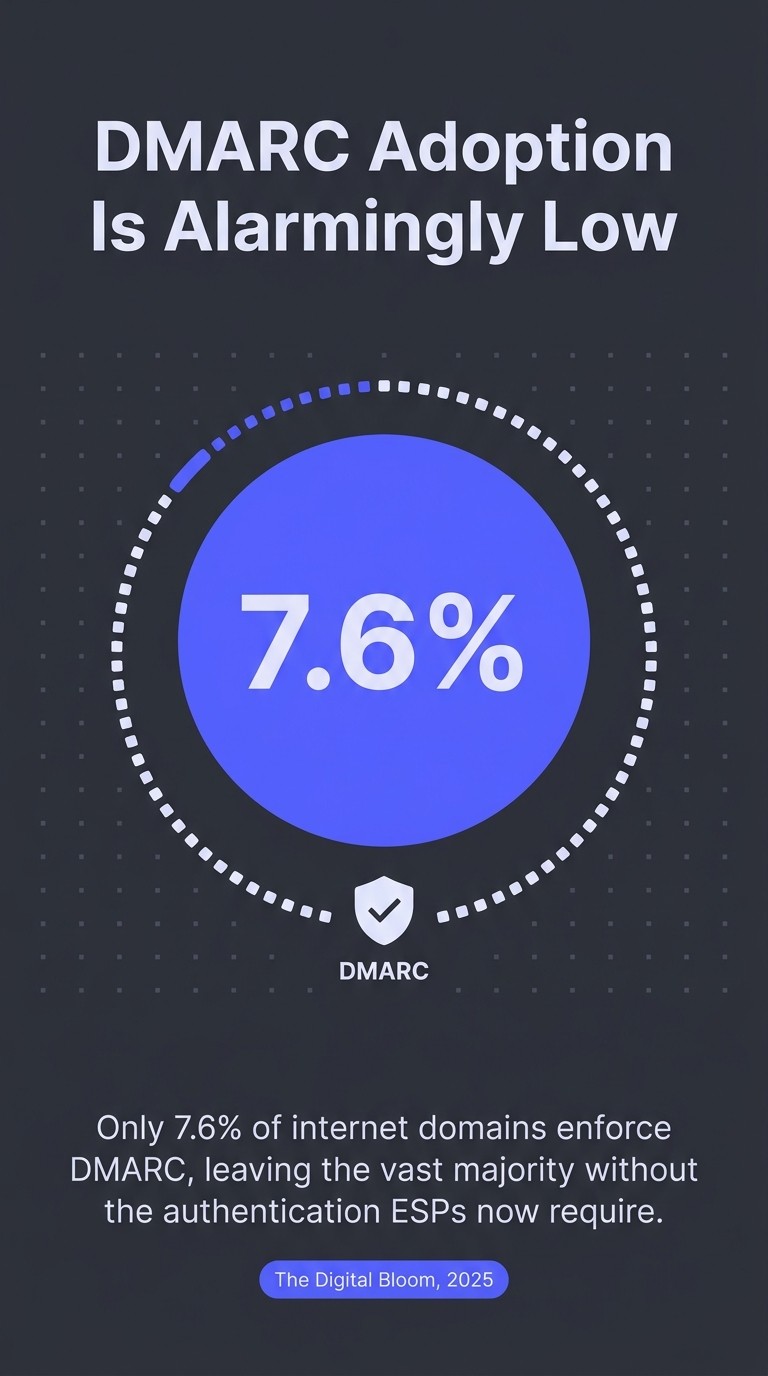
The adoption gap is alarming: only 7.6% of internet domains enforce DMARC. That means the vast majority of domains are sending without the authentication infrastructure that ESPs now require. Do not be in that group when BFCM arrives.
Spam Complaint Thresholds You Cannot Exceed
Google requires bulk senders to maintain spam complaint rates below 0.3%. That is not a soft guideline. Exceed it and Gmail will suppress your emails at scale. During warmup, complaint rate is your most important metric. A clean, engaged list is the single best control you have over it.
Before warming up, run your full list through an email verification service. Remove invalid addresses, spam traps, and hard bounces. A high bounce rate early in warmup signals to ESPs that you are sending to unverified addresses. That damages the domain reputation you are trying to build before it has even formed.
Our deliverability audit and optimisation service covers authentication verification, list hygiene, and inbox placement testing as a complete pre-BFCM readiness check.
Manual Warmup vs Automated Email Warmup Tools
Automated email warmup tools outperform manual warmup for most ecommerce senders because they generate consistent engagement signals, monitor blacklists, and provide deliverability dashboards that manual processes cannot match at scale.
Manual email warm-up means you control the sending schedule, hand-pick recipients, and track engagement yourself. It works for very small lists or when a sender wants complete control. But manual processes do not scale. They require daily attention, miss blacklist monitoring, and cannot generate the volume of positive engagement signals that warmup networks provide.
Best Email Warmup Tools Compared
The following warmup tools are the most widely used in the ecommerce and cold email space. Each connects your mailbox to a warmup network of real inboxes, sends emails on your behalf, generates opens and replies, and tracks inbox placement progress through a deliverability dashboard.
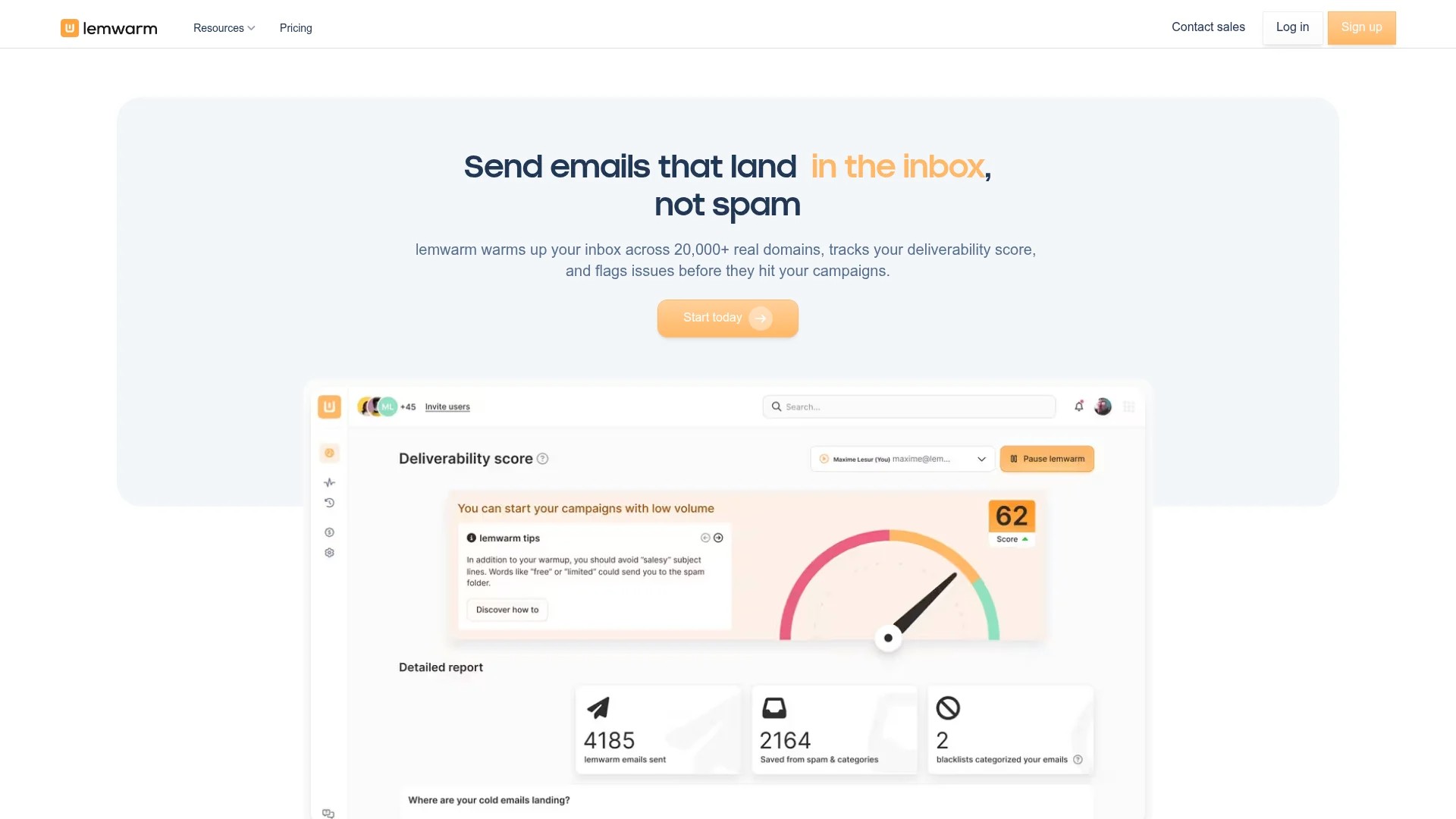
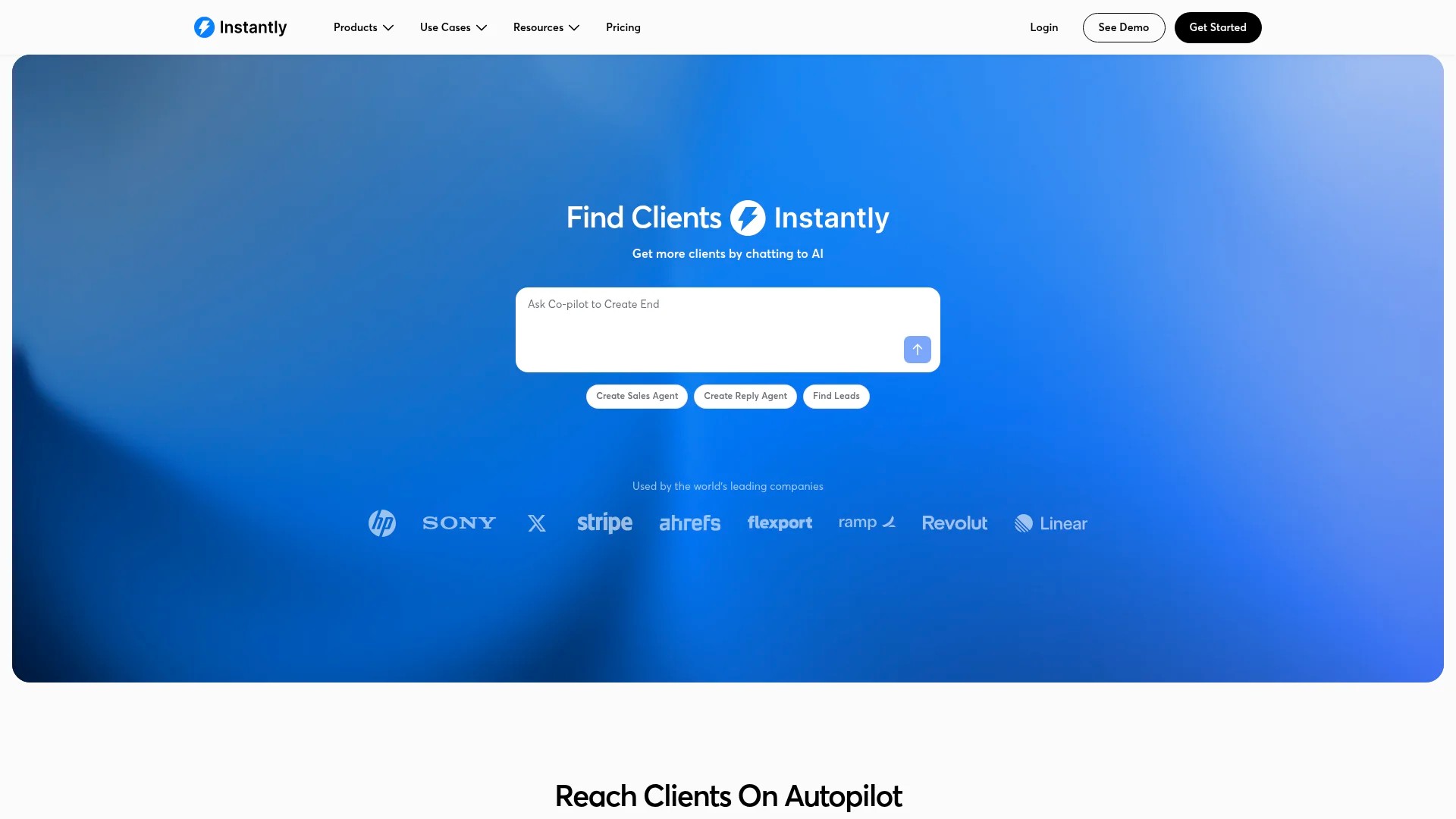
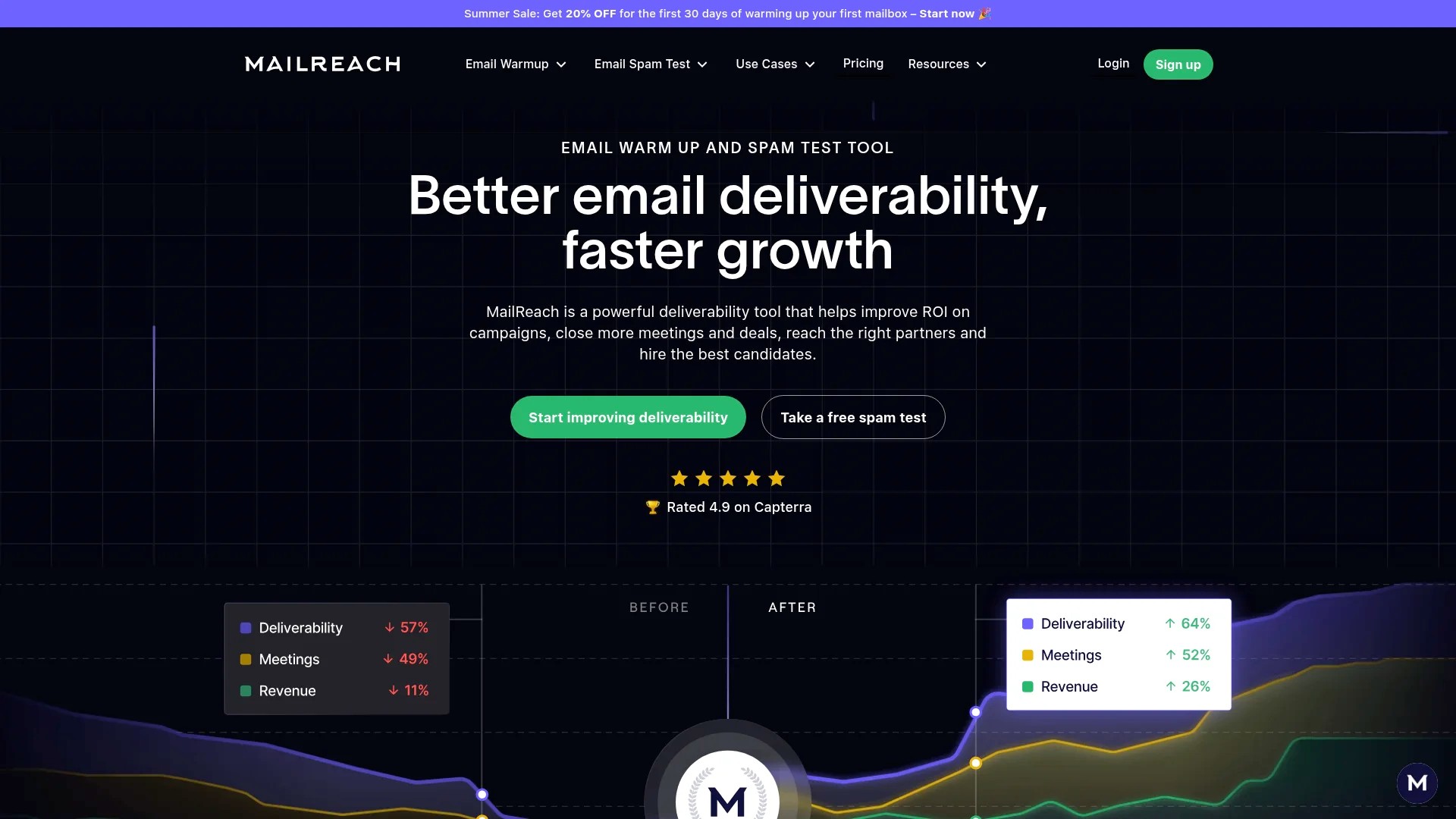
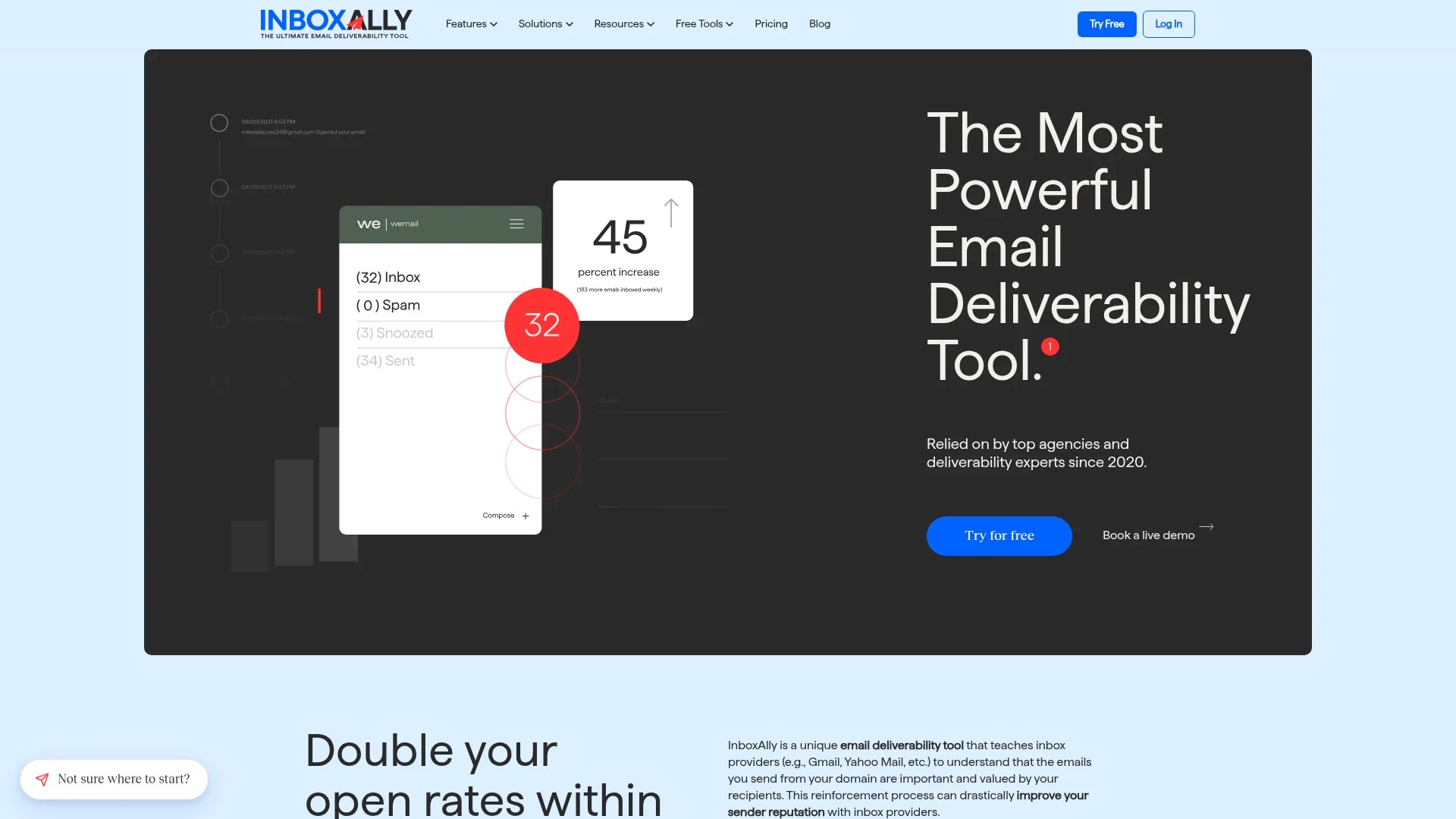
The critical distinction across all of these: real inboxes versus bot networks. A warmup tool that routes your emails through fake or bot accounts does not generate authentic engagement signals. ESPs detect this. Stick to tools that publish the composition of their warmup network and confirm they use real human-operated inboxes.
For agencies managing multiple clients ahead of BFCM, unlimited mailbox plans on tools like Instantly are worth the higher price. Paying per mailbox at scale gets expensive quickly, and BFCM preparation typically means warming up several domains simultaneously.
Email Warmup Mistakes That Kill BFCM Campaigns
The most damaging email warmup mistakes are scaling sending volume too fast, skipping list hygiene before warmup begins, and treating warmup completion as inbox placement guarantee.
Scaling too fast is the most common error. Doubling volume every two or three days feels efficient in October when BFCM is approaching. But ESPs track sending velocity. A spike that does not match your established pattern looks like a compromised account or spam operation. The result is a domain reputation hit at exactly the moment you cannot afford one.
Skipping list hygiene before warmup is the second most common mistake. Sending warmup emails to invalid addresses generates bounces. Bounces damage sender reputation before it has had a chance to form. Verify your list first. Then warm up.
The third mistake is treating a warm domain as an invincible one. A domain with good sender reputation can still land in the spam folder if your BFCM campaign has a high image-to-text ratio, too many links, or subject lines that trigger spam filters. Warmup builds the foundation. Campaign-level hygiene protects it.
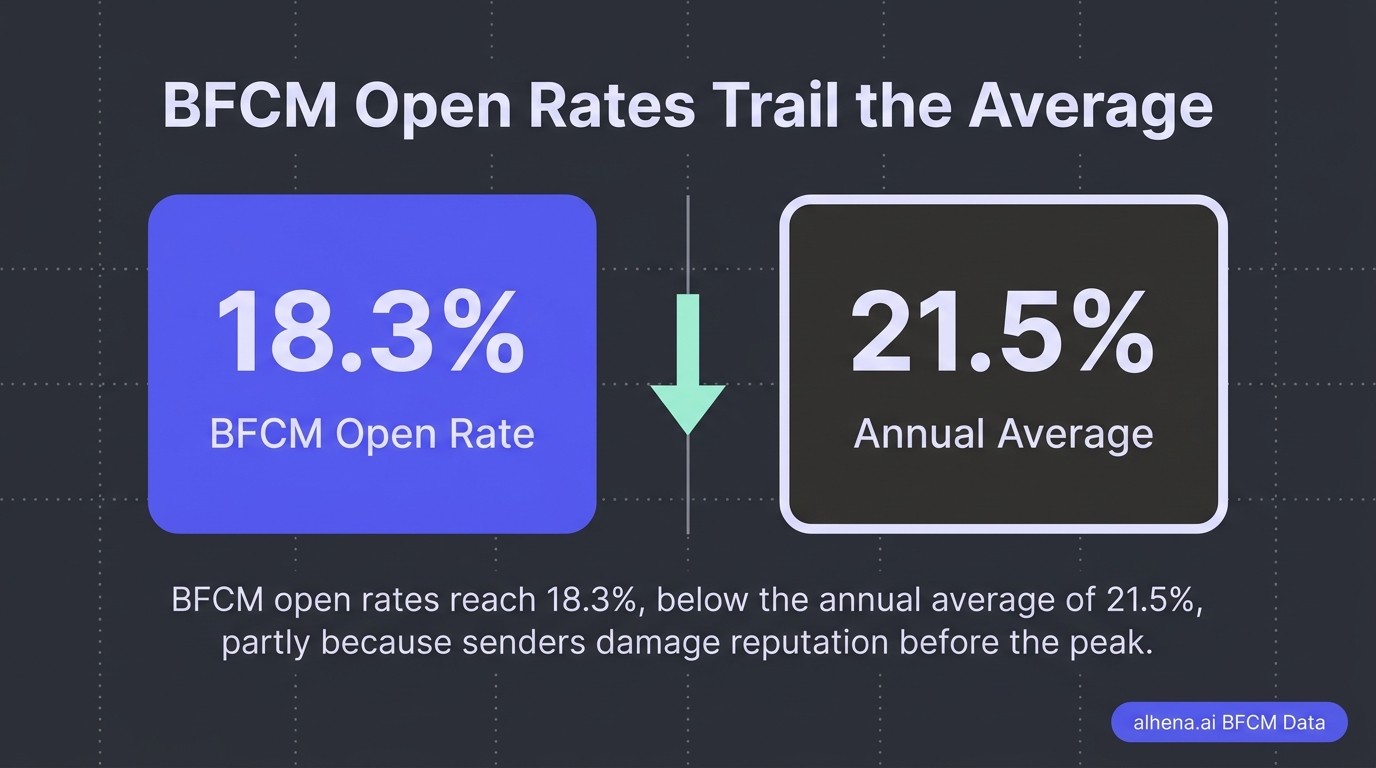
One more: BFCM open rates already sit below average. BFCM open rates reach 18.3%, below the annual average of 21.5%. That gap exists partly because so many senders damage their sender reputation by sending too aggressively in the weeks before the peak. Warmup discipline protects your open rates when competitors are hurting theirs.
Proper email segmentation during warmup reduces risk considerably. Sending first to your highest-engagement segments keeps complaint rates low and engagement signals strong throughout the ramp.
Gmail and Outlook Deliverability: What Differs Between the Two
Gmail and Outlook use distinct spam filtering approaches, which means a domain warmed up for Gmail inbox placement is not automatically ready for strong Outlook inbox placement.
Gmail uses machine learning across billions of signals to assess sender reputation at the domain level. It responds well to consistent engagement and punishes volume spikes harshly. Its spam classification is largely engagement-driven: high open rates and low spam complaints push you toward the primary inbox. Low engagement pushes you toward the spam folder or the promotions tab.
Outlook's filtering is notably different. Office 365's inbox placement rate fell to 50.70% in recent benchmarking. That is a stark number. Outlook weighs IP reputation more heavily than Gmail does, making it sensitive to shared IP infrastructure. It also uses its own spam intelligence layer, SmartScreen, which tracks reputation separately from Google's systems.
The practical implication: check your warm up tool's deliverability dashboard for ESP-specific placement rates, not just an overall average. If your Gmail placement is 95% and your Outlook placement is 55%, you have an Outlook-specific problem that needs separate attention before BFCM.
Your Klaviyo email marketing strategy should account for this split. Segmenting your BFCM sends by email client and monitoring post-send performance by domain lets you identify placement problems at the provider level before they compound.
Email Warmup for Agencies and High-Volume Ecommerce Senders
Agencies and high-volume ecommerce senders managing multiple domains ahead of BFCM need warmup processes that run concurrently across accounts without inflating per-seat costs or creating monitoring blind spots.
The agency use case is fundamentally different from the single-brand use case. You are not warming one domain. You are warming eight or twelve, each on its own schedule, each with different list sizes and engagement baselines. Manually tracking warmup progress across that many accounts is how things get missed.
Warmup tools with unlimited mailbox plans and centralised deliverability dashboards solve this. A single dashboard showing inbox placement, spam folder rates, and blacklist status across all client domains is the difference between proactive warmup management and reactive damage control.
Blacklist monitoring deserves specific attention at scale. A single domain landing on a major blacklist during warmup can be delisted within 24–48 hours if caught immediately. Missed for a week, the process becomes significantly more complicated and the domain reputation impact is harder to reverse before BFCM.
Cyber Week 2025 generated $44.2 billion in U.S. online sales. And email marketing delivers between $10 and $36 return for every $1 spent according to Litmus's 2025 State of Email data. For agencies managing multiple ecommerce clients, getting every domain inbox-ready before BFCM is not optional overhead. It is the core of the service.
If you need a full pre-BFCM readiness review, our Klaviyo audit checklist covers domain authentication, warmup status, list hygiene, and campaign structure across the entire customer lifecycle.

Common Questions About Email Warmup
How many weeks before BFCM should I start warming up my domain?
Start at least 8 weeks before your first BFCM send. That gives you 6 weeks of active warmup and a 2-week buffer to stabilise sending volume at your target level before the campaign launches. If your target send volume is above 50,000 emails, extend the warmup to 10–12 weeks.
Can I warm up a domain while sending live campaigns?
Yes, but carefully. Keep your warmup sends separate from your live campaign sends. Warmup emails go to your most engaged segment. Live campaign emails go to the broader list. Track engagement on each separately. Mixing them makes it impossible to identify which sends are helping or hurting your domain reputation.
What inbox placement rate should I target before BFCM?
Target 90% or above across both Gmail and Outlook before scaling to BFCM volume. Below 85%, inbox placement problems at scale become near-certain. The 87.2% global average recorded by Validity's benchmark report includes many senders who have not optimised warmup. That average is not a target. It is a floor to beat.
Does email warmup work for Klaviyo specifically?
Yes. Klaviyo manages sending IP reputation on its side. Your domain reputation is separate and entirely within your control. Warmup tools work at the domain level. Run your domain through a proper email warm-up process before your BFCM sends regardless of which ESP you use. Klaviyo's infrastructure cannot compensate for a cold or damaged domain.
What happens if I skip email warmup before BFCM?
Your emails land in the spam folder for a significant portion of recipients. Spam rates for cold domains and cold senders are high. DeBounce's email spam statistics show small list senders with inadequate warmup face 21.64% spam rates. On a 100,000-contact BFCM send, 21,000 of those emails never reach the primary inbox. The revenue impact is direct and immediate.
Start Your Email Warmup Now, Not in November
Email warmup is not a set-and-forget task. It is an active, monitored process that requires consistent sending, clean list hygiene, and authentication working correctly from day one. The brands that treat it seriously arrive at BFCM with inbox placement rates above 90% and send with confidence. The ones that skip it spend the season wondering why their open rates are collapsing.
The sequence matters: authenticate first, verify your list, begin warmup at low volume, monitor engagement and spam complaints weekly, scale gradually, and reach your target BFCM send volume with two weeks to spare. Build the buffer in.
If you are not certain where your domain stands today, start with a full deliverability audit and optimisation before you begin warming up. Know your baseline, then fix it. BFCM rewards preparation. It punishes assumptions.
.jpg)
.jpg)